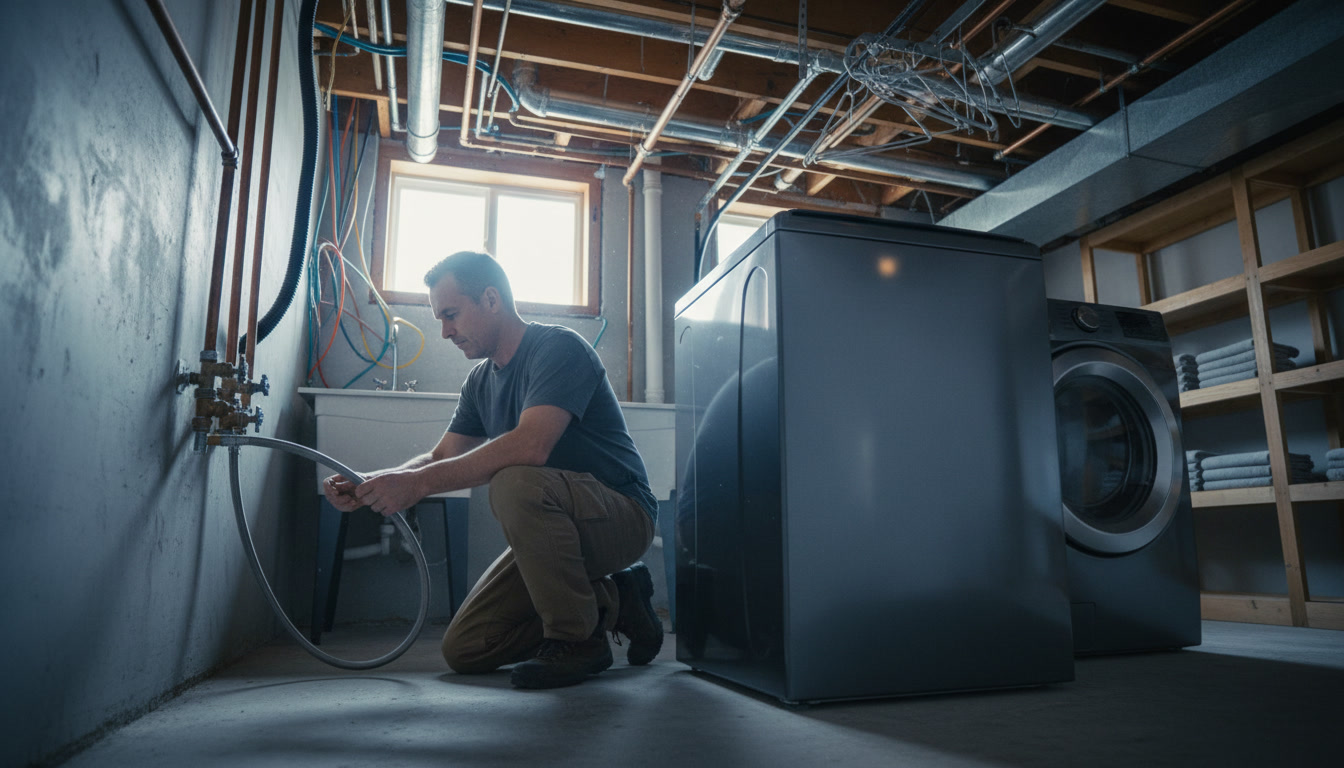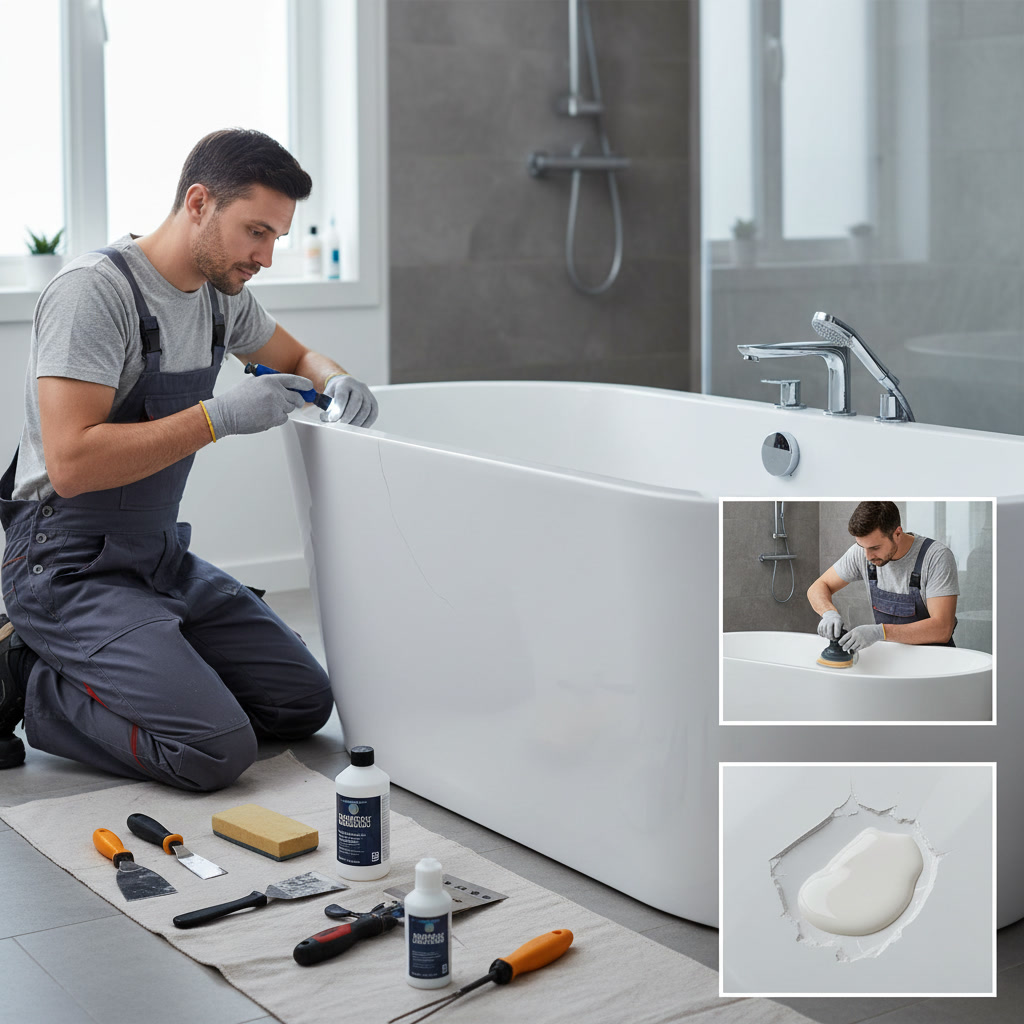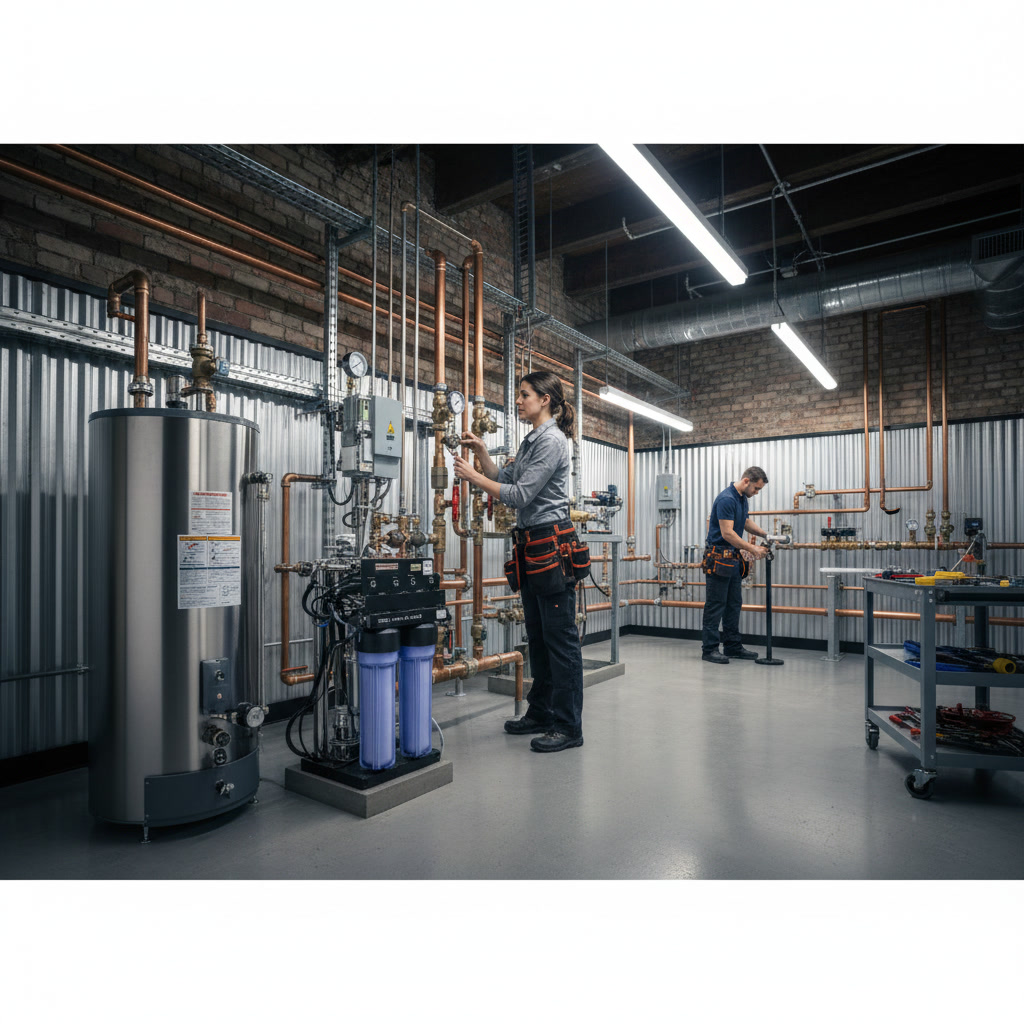
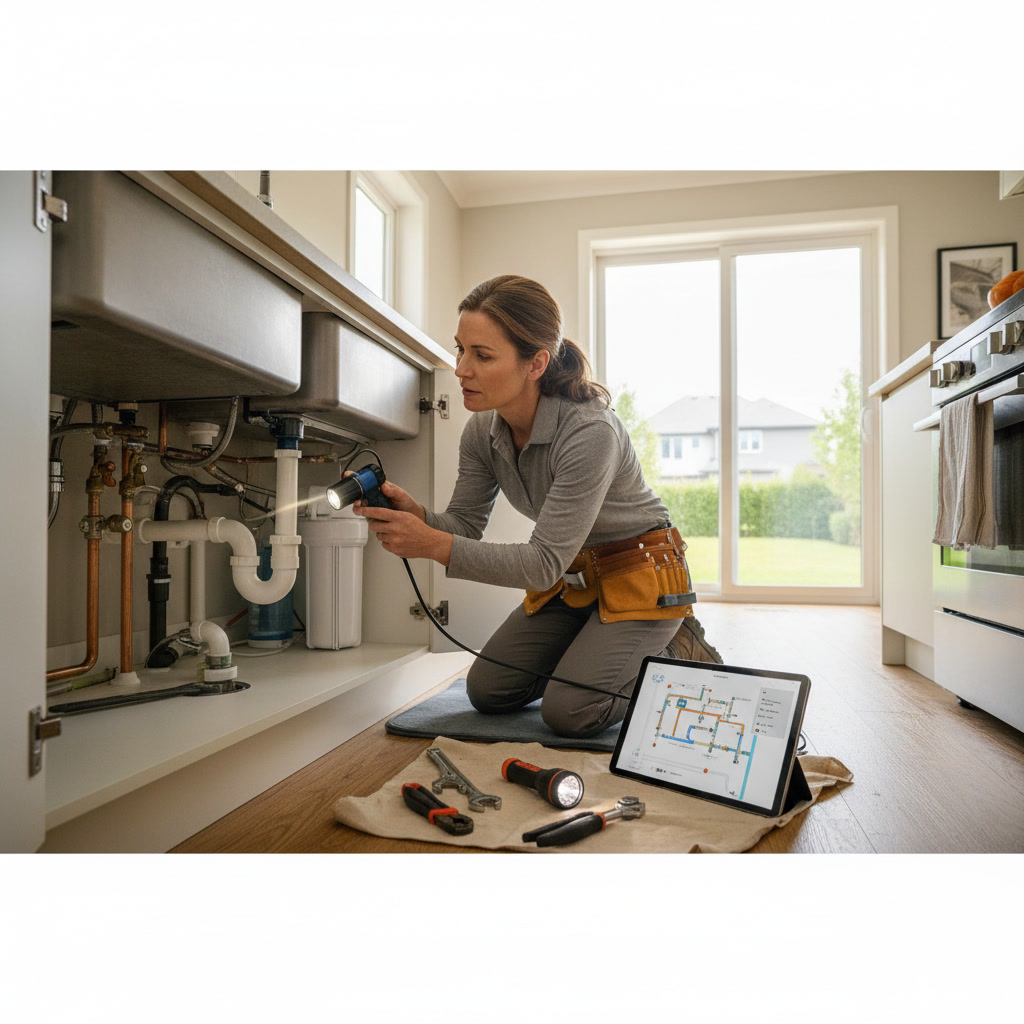
A professional plumbing inspection thoroughly evaluates your home’s entire plumbing system, from visible fixtures to hidden pipes. During the visit, a licensed plumber examines water supply lines, drainage systems, fixtures, water heaters, and potential problem areas to identify current issues and prevent future failures. Most inspections take between 90 minutes and three hours, depending on your home’s size and complexity.
Why Regular Plumbing Inspections Matter for Homeowners
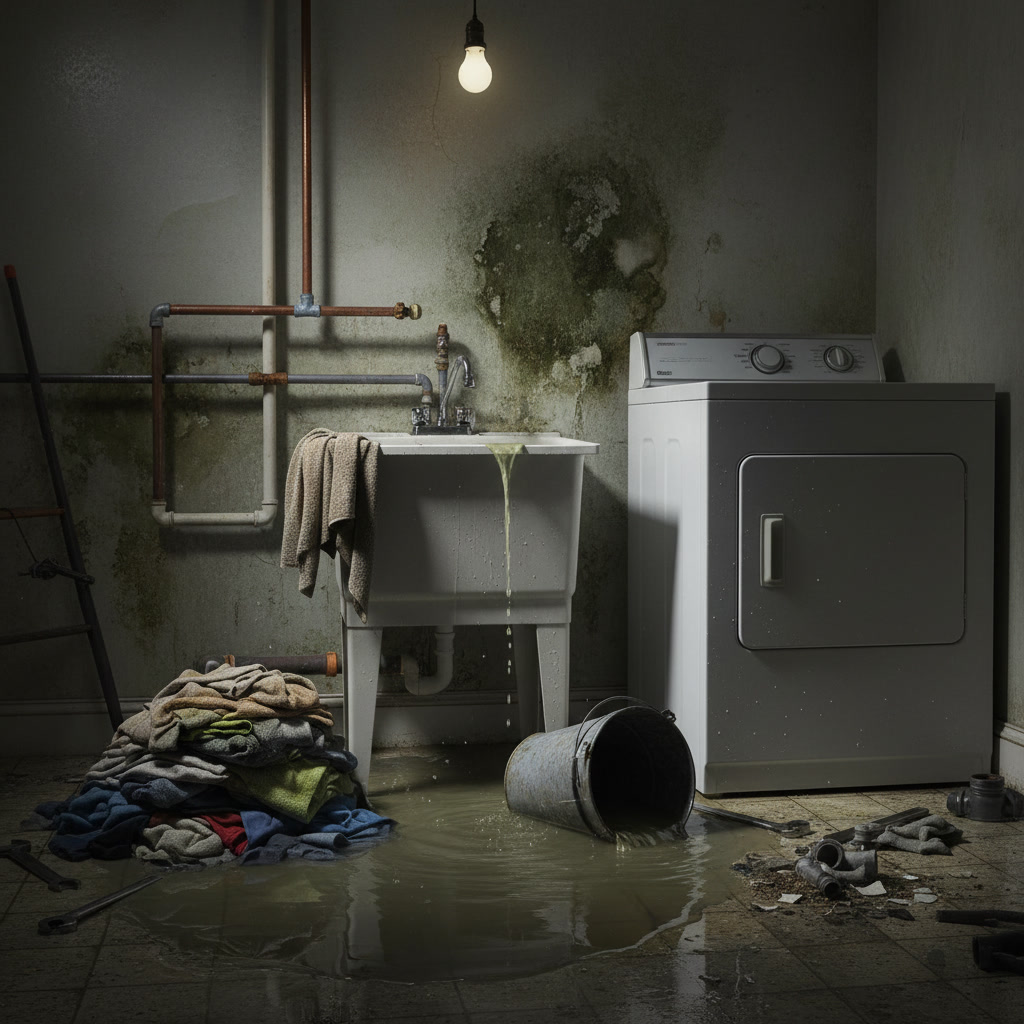
Your plumbing system works quietly behind walls and under floors until something goes wrong. Small leaks can waste thousands of gallons of water annually while damaging structural elements you cannot see. A single pinhole leak in a supply line can release more than 900 gallons per month, creating perfect conditions for mold growth and wood rot.
Preventive inspections catch problems when repairs cost hundreds instead of thousands. The average homeowner spends between $500 and $1,200 addressing emergency plumbing failures that could have been prevented with routine checks. Inspections also extend the life of expensive components like water heaters and sewer lines.
Understanding the Complete Inspection Process
Professional inspectors follow a systematic approach to cover every part of your plumbing system. The process begins outside your home and moves through each room methodically. Inspectors document findings with photos and detailed notes that become part of your home maintenance record.
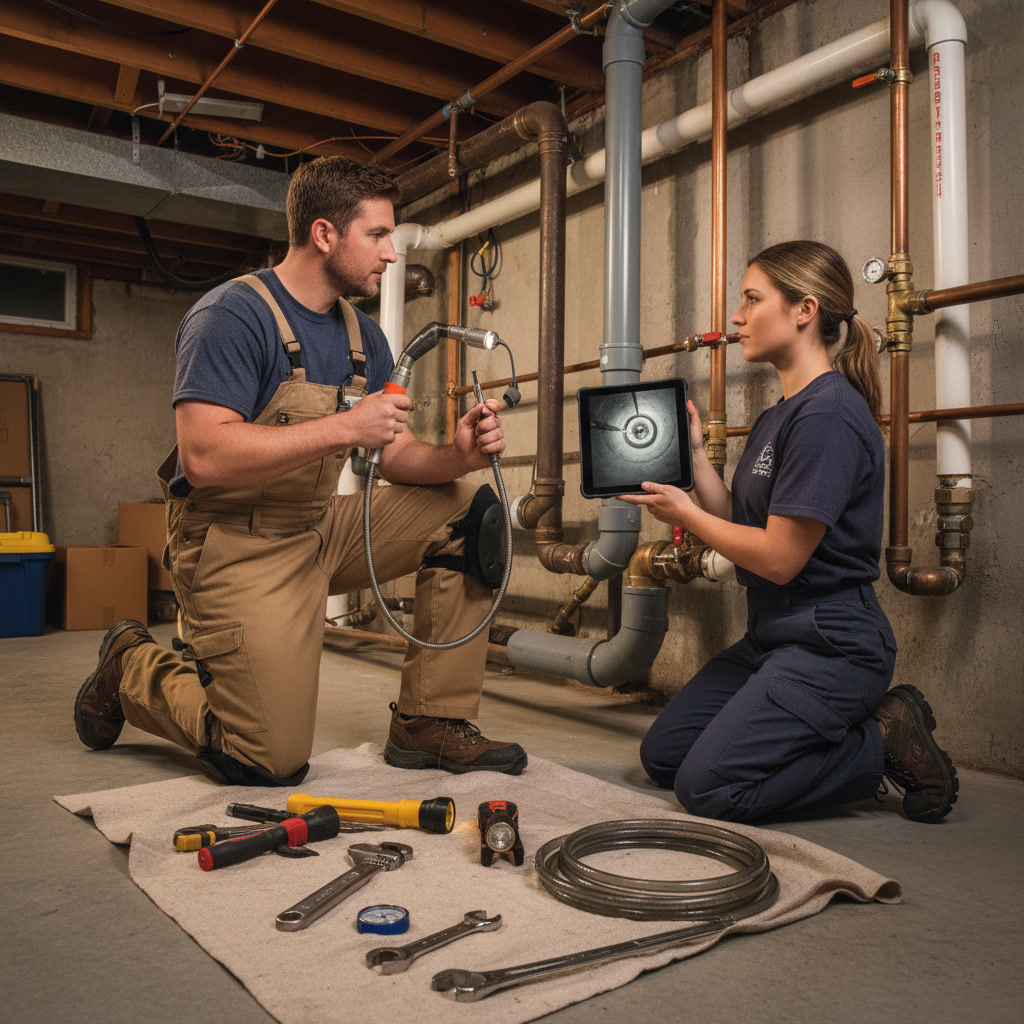
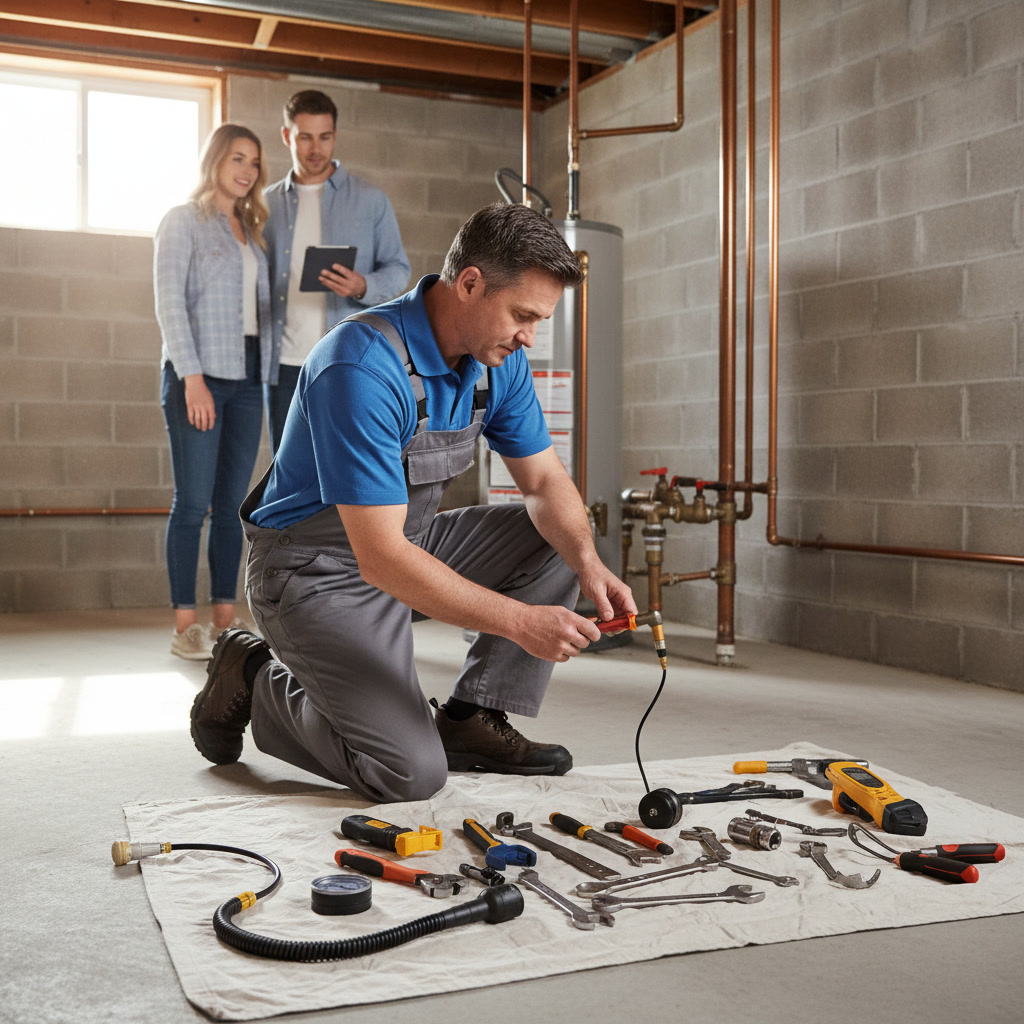
Technicians bring specialized tools including video cameras, pressure gauges, moisture meters, and thermal imaging devices. These instruments detect problems invisible to the naked eye. The inspection covers both the supply side that brings clean water into your home and the drainage side that removes wastewater.
What Inspectors Check in Your Water Supply System
The water supply inspection starts at your main shutoff valve and water meter. Inspectors verify that shutoff valves function properly and check for signs of corrosion or mineral buildup. They measure water pressure at multiple fixtures because readings above 80 PSI can damage appliances and cause premature fixture failure.
Supply line inspection includes examining exposed pipes in basements, crawl spaces, and utility rooms. Inspectors look for corrosion, improper supports, and outdated materials like galvanized steel or polybutylene. They test water quality when appropriate and check pressure-reducing valves if your home has one installed.
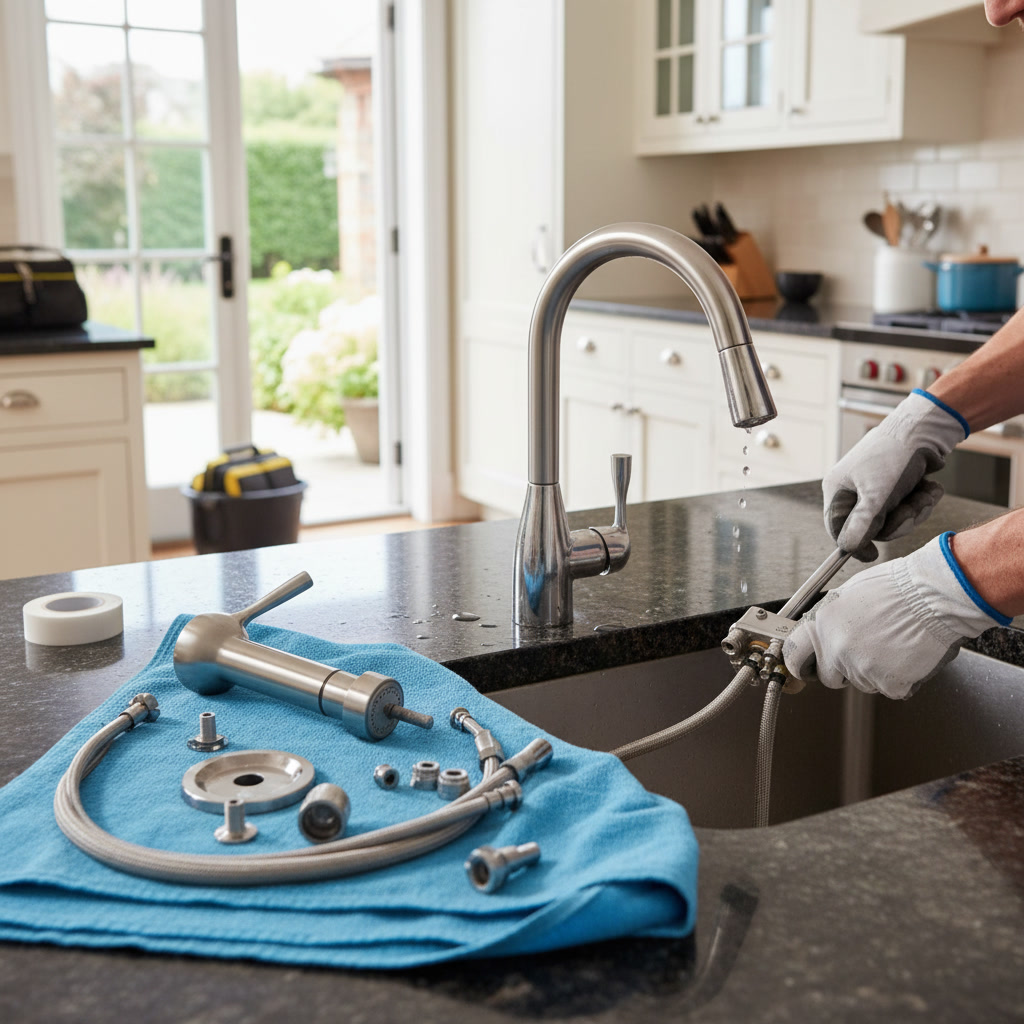
All faucets and fixtures get individual attention during the supply system review. Inspectors operate each one while watching for leaks, measuring flow rates, and listening for unusual sounds that indicate restricted flow or valve problems.
Drainage and Waste Line Evaluation
The drainage system inspection identifies slow drains, blockages, and venting problems. Inspectors run water in sinks, tubs, and showers while watching drain speed and listening for gurgling sounds that indicate venting issues. Proper venting allows air into drain lines so water flows smoothly without creating suction.
Video camera inspection of drain lines reveals the condition inside pipes that you cannot otherwise see. The camera travels through your drainage system showing root intrusion, cracks, bellied sections, and buildup. This technology pinpoints exact locations of problems, which reduces repair costs by eliminating guesswork.
Inspectors examine all visible waste lines and vent stacks for proper slope, secure connections, and code compliance. They check that drains have proper traps to prevent sewer gases from entering living spaces. Floor drains in basements and garages receive special attention because they often dry out and allow odors inside.
Water Heater and Appliance Connection Review
Water heaters receive thorough examination regardless of type. For traditional tank models, inspectors check the temperature and pressure relief valve, look for corrosion around the tank base, test the drain valve, and verify proper venting for gas units. They measure the age of the unit because most tanks last 8 to 12 years before failure becomes likely.
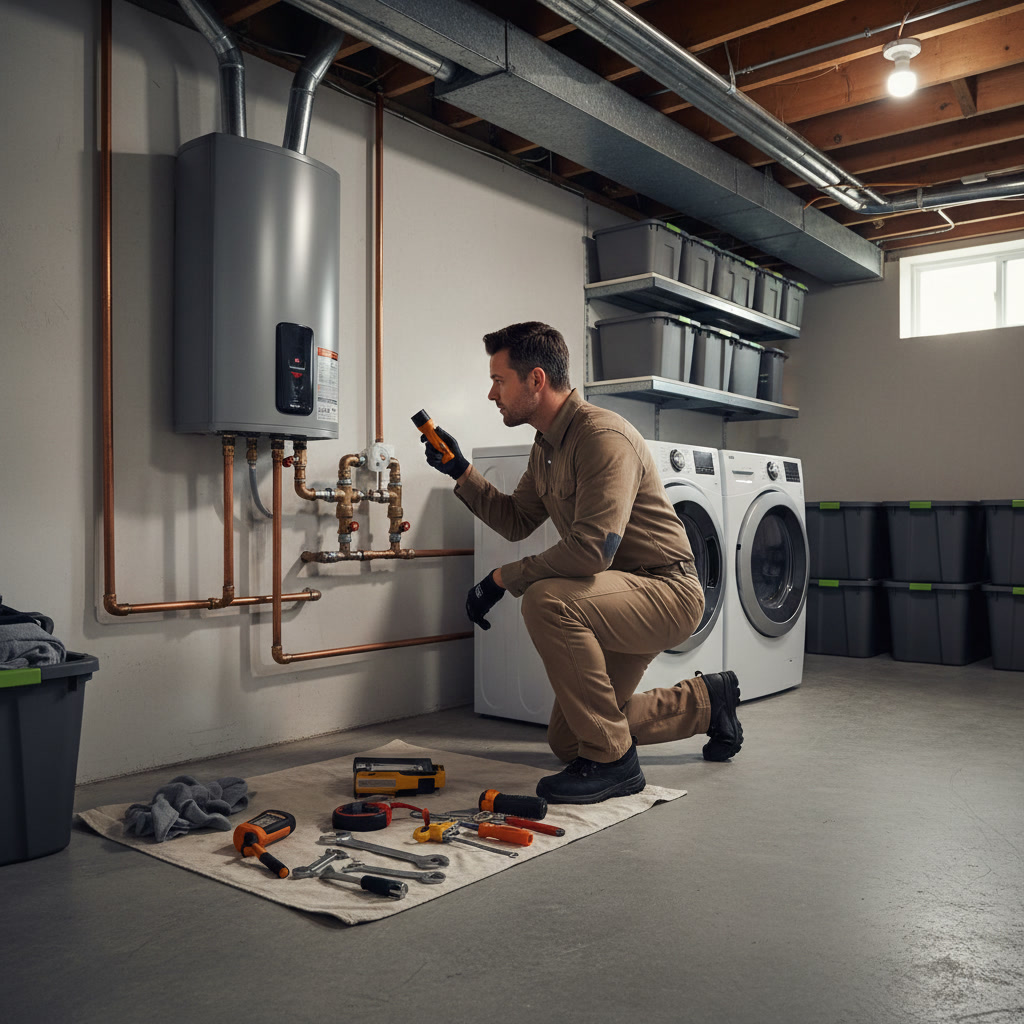
Homes with tankless water heaters get inspections focused on venting, gas supply or electrical connections, and signs of mineral buildup that reduces efficiency. Inspectors verify that installation meets manufacturer specifications and local codes.
Appliance connections including washing machines, dishwashers, and refrigerator ice makers get checked for proper installation, secure hoses, and functioning shutoff valves. Many insurance claims result from failed washing machine hoses, making this a critical inspection point.
Fixture and Toilet Inspection in Lynwood Homes
Every toilet gets tested for proper flush function, tank refill speed, and hidden leaks. Inspectors add dye tablets to tanks to detect silent leaks that waste water without making noise. They check that wax rings seal properly and that toilets sit firmly on the floor without rocking.
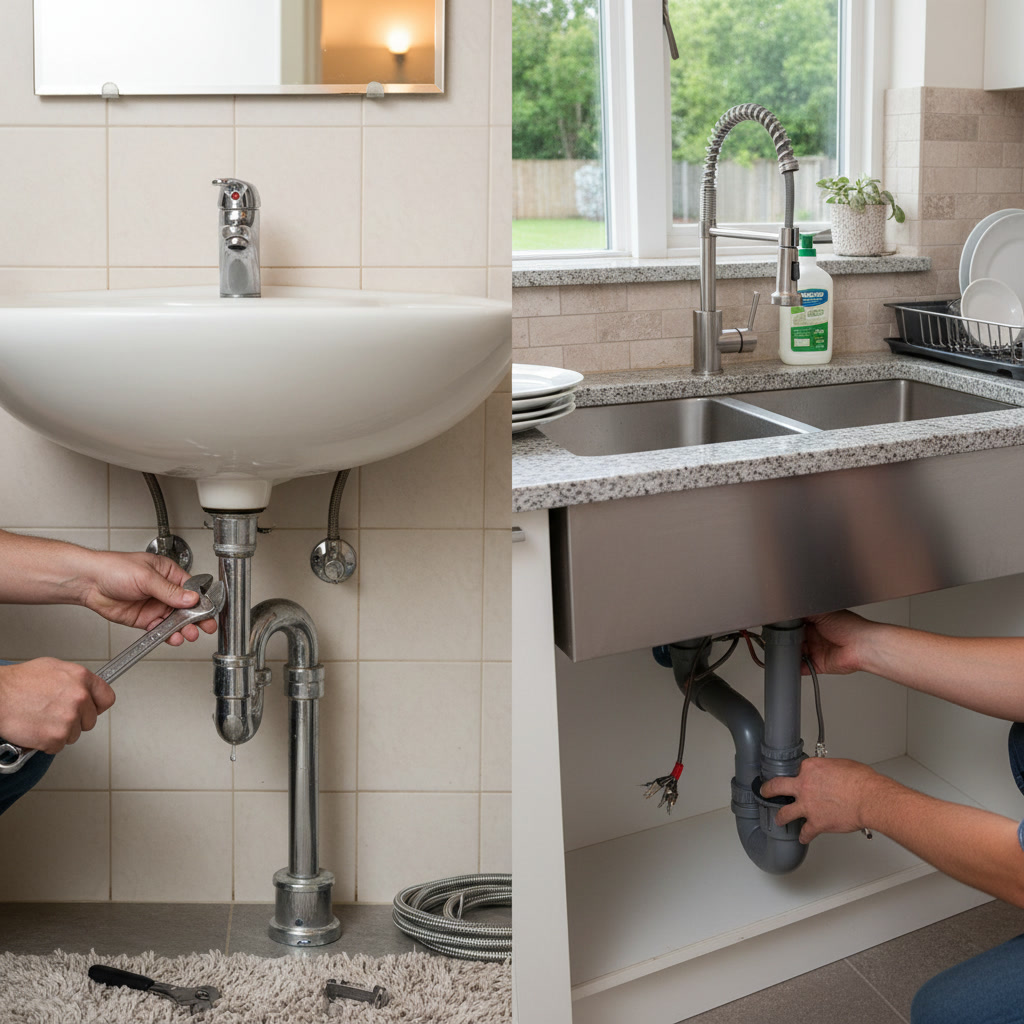
Sink inspections cover both the fixture and connections underneath. Inspectors look for cabinet moisture, corroded supply lines, loose P-traps, and worn basket strainers. They verify that popup assemblies and stoppers work correctly.
Shower and tub areas receive careful examination for water damage around fixtures, proper caulking, and drainage function. Inspectors check diverter valves, showerheads, and tub spouts for leaks and proper operation. They look for soft spots in surrounding walls and floors that indicate hidden leaks.
Sewer Line Assessment and Warning Signs
The main sewer line carries all wastewater from your home to the municipal system or septic tank. Problems here affect every drain in your house. Inspectors look for warning signs including multiple slow drains, sewage odors, and wet spots in the yard above the sewer line path.
Camera inspection of the main sewer line reveals tree root intrusion, which is the leading cause of sewer problems in established neighborhoods. Roots enter through tiny cracks and grow into thick masses that block flow. Early detection allows for cleaning before complete replacement becomes necessary.
Clay pipe, common in homes built before 1980, becomes brittle with age and breaks into sections. Inspectors note pipe material and condition to help you plan for eventual replacement. Understanding typical repair costs in your area helps with budgeting for major work.
Step-by-Step Guide to Preparing for Your Inspection
Clear access to all plumbing fixtures and the areas around them. Move items stored under sinks, around toilets, and near water heaters. Inspectors need to see connections, shutoff valves, and surrounding surfaces.
Make a list of any problems you have noticed, including slow drains, running toilets, dripping faucets, or unusual sounds. Note when problems occur and any patterns you have observed. This information helps inspectors focus on problem areas.
Locate and mark your main water shutoff valve if you know where it is. If you do not know, the inspector will find and identify it. Knowing this location is critical for emergencies.
Provide access to crawl spaces, attics, and utility areas where plumbing runs. Secure pets in a separate area so inspectors can work safely. Plan to be present during the inspection to ask questions and understand findings.
Reading and Understanding Your Inspection Report
Inspection reports categorize findings by urgency. Immediate concerns require prompt attention to prevent damage or safety hazards. These include active leaks, gas leaks, water heater safety issues, and failing sewer lines.
Moderate priority items need attention within months rather than immediately. These might include aging water heaters near the end of their expected life, corroded supply lines that have not yet leaked, or drainage issues that cause inconvenience but not damage.
Low priority observations are maintenance recommendations and minor issues that do not threaten your home or safety. These might include worn faucet washers, outdated fixture styles, or suggestions for water conservation upgrades.
Photos and video documentation make reports clearer by showing exactly what inspectors found. Ask your inspector to explain any technical terms or recommendations you do not understand. A good report becomes a roadmap for maintaining your plumbing system over years.
Common Problems Discovered During Home Inspections
Galvanized steel pipes, common in homes built before 1960, corrode from the inside out. The deterioration restricts water flow and adds rust and sediment to your water. Inspectors find these pipes failing after 40 to 70 years of service, with replacement being the only permanent solution.
Outdated polybutylene pipes installed between 1978 and 1995 become brittle and fail without warning. Many insurance companies consider these pipes a liability. Inspectors recommend replacement when found, even if no leaks currently exist.
Improper drain venting causes multiple problems including slow drains, gurgling sounds, and siphoned traps that allow sewer gases inside. Many DIY plumbing additions lack proper venting because homeowners did not understand code requirements. Professional plumbing services correct these issues to restore proper function.
Aging water heaters show telltale signs before catastrophic failure. Inspectors look for rust stains, moisture around the base, corroded connections, and sediment buildup that causes rumbling sounds. Catching these signs early prevents the water damage that occurs when tanks burst.
Protecting Your Investment with Regular Inspections
Schedule comprehensive plumbing inspections every two to three years for homes under 20 years old. Older homes benefit from annual inspections because aging systems develop problems more frequently. Homes with known issues like root-prone trees near sewer lines need more frequent monitoring.
New homeowners should always schedule an inspection even if the purchase inspection covered plumbing. Pre-purchase inspections focus on deal-breaking problems rather than comprehensive system evaluation. A detailed inspection after moving in provides baseline documentation for future reference.
The investment in regular inspections pays for itself through prevented emergencies, extended equipment life, and lower water bills. Small problems caught early rarely become expensive disasters. You gain peace of mind knowing your home’s hidden systems function properly and safely.
With over 20 years serving homeowners throughout Southern California, Cisco Plumbing INC provides thorough inspections that protect your most valuable asset. Our experienced technicians use advanced diagnostic tools to find problems before they cause damage, and we explain findings in plain language you can understand. Schedule your comprehensive plumbing inspection by calling +14242271819 to ensure your home’s plumbing system operates safely and efficiently for years to come.