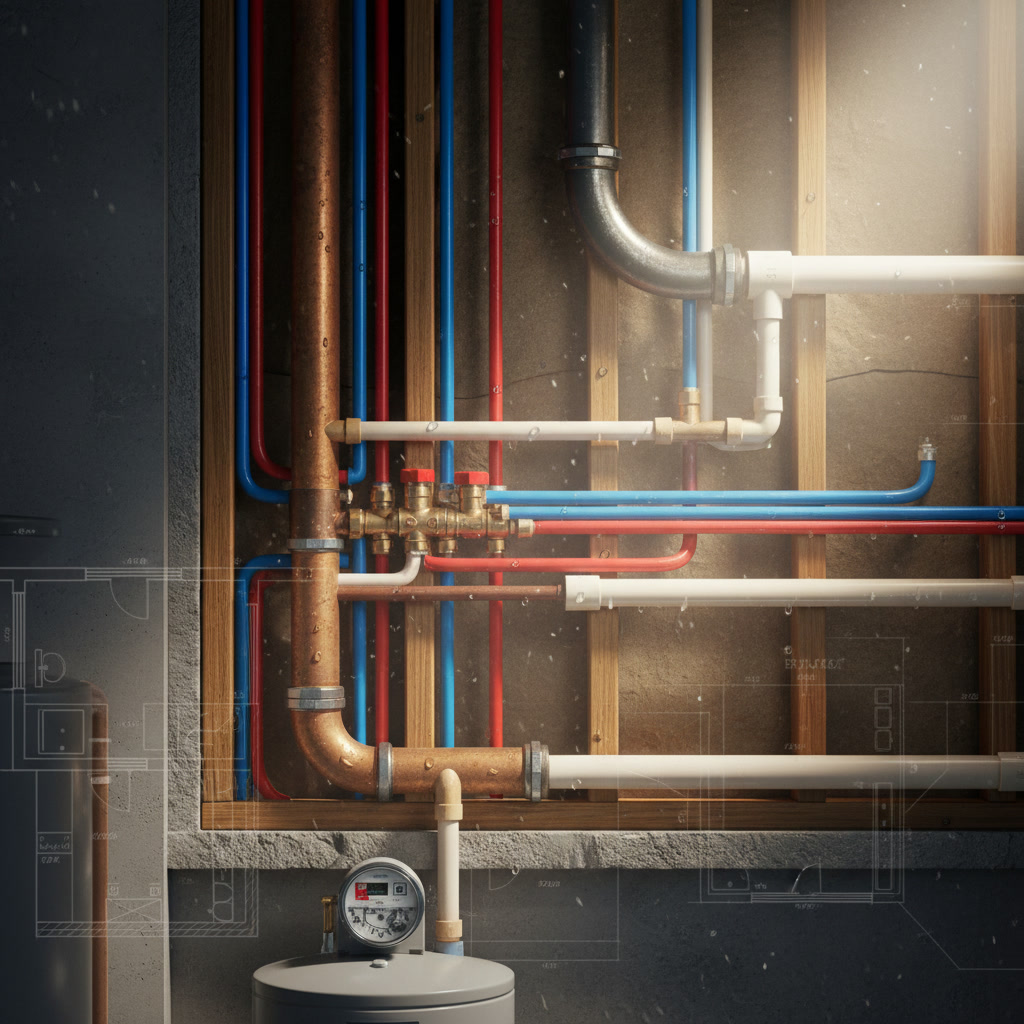
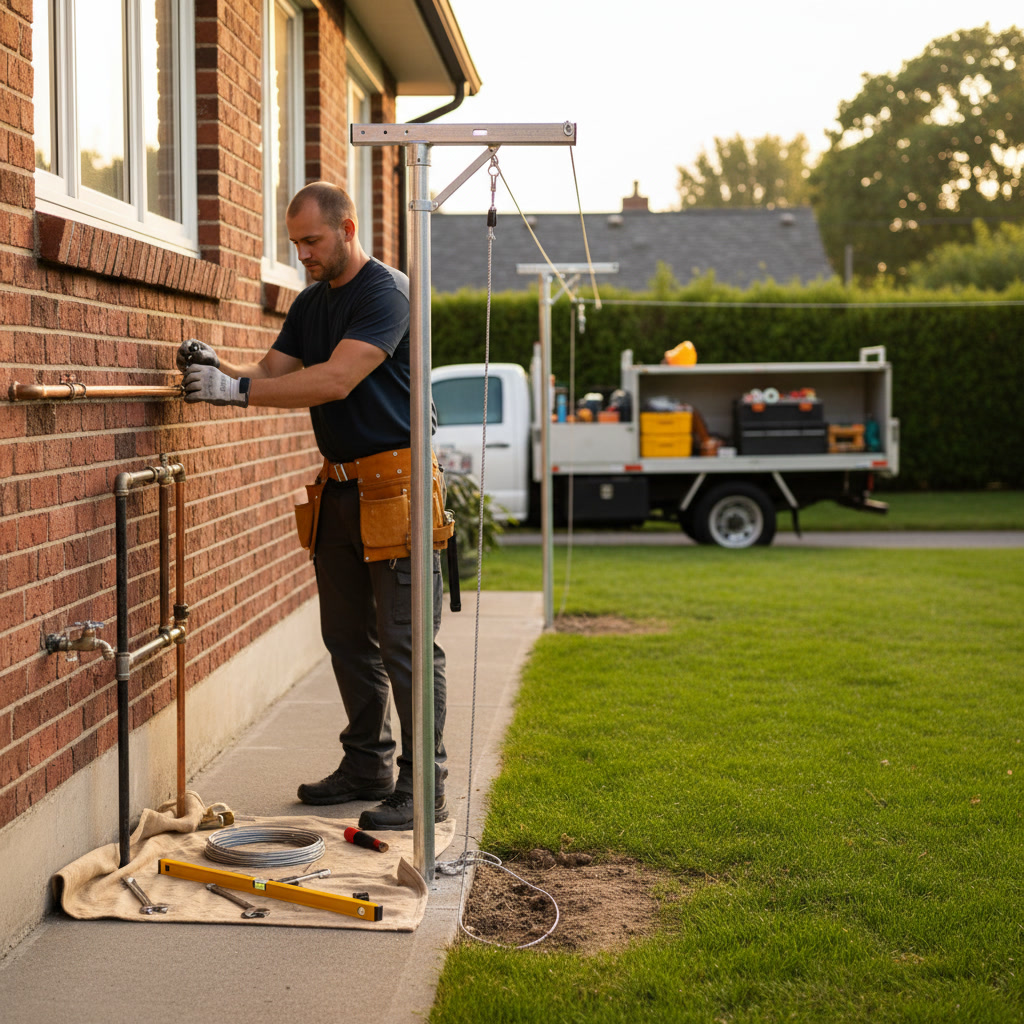
Your washing machine needs proper water supply and drainage connections to function correctly. A laundry line installation involves connecting hot and cold water lines to your washer, setting up drainage pipes, and ensuring everything meets local building codes. Whether you’re adding a new laundry room, relocating your washer, or upgrading old plumbing, understanding the costs involved helps you budget properly and avoid surprises.
The average cost for a laundry line installation ranges from $350 to $2,000, with most homeowners in the Compton area paying between $600 and $1,200. The final price depends on several factors including the complexity of the job, distance from existing plumbing, materials used, and whether any walls or floors need opening.
Average Cost Breakdown for Laundry Line Installation
Understanding where your money goes during a laundry line installation helps you evaluate quotes and make informed decisions. The total cost typically includes labor, materials, permits, and any necessary structural work.
Labor costs account for 60 to 70 percent of the total bill. Licensed plumbers in Lynwood, South Gate, and surrounding areas typically charge between $80 and $150 per hour. A straightforward installation takes two to four hours, while complex projects requiring extensive rerouting can take six to eight hours.
Materials for a basic installation include PEX or copper supply lines, PVC drainage pipes, shut-off valves, a drain trap, mounting brackets, and fittings. Expect to spend $100 to $300 on materials for a standard job. Premium materials like copper pipes or brass valves increase costs by 20 to 40 percent compared to PEX and standard fixtures.

Key Factors That Impact Your Installation Cost
Several variables can significantly change your final invoice. Recognizing these factors before starting your project helps you anticipate costs and communicate better with your plumber.
Distance From Existing Plumbing
The farther your new laundry location is from existing water and sewer lines, the more piping and labor you need. Installing a washer in a garage or basement far from the main plumbing stack requires extensive pipe runs, which increases both material and labor costs. Each additional 10 feet of pipe run typically adds $50 to $150 to your total.
Access and Wall Modifications
If pipes must run through finished walls or ceilings, your plumber needs to cut openings and patch them afterward. This work adds $200 to $800 depending on the extent of cutting and finishing required. Open stud walls or unfinished basements allow easier access and lower labor costs.
Type of Piping Material
PEX piping costs less and installs faster than copper, making it the preferred choice for many residential plumbing services. Copper costs more but offers longer lifespan and resistance to certain chemicals. Your home’s existing plumbing type, local code requirements, and personal preference all influence this choice.
Drainage Requirements
Every washing machine needs proper drainage with adequate venting. If your new location lacks nearby drainage or vent pipes, your plumber must install new drain lines and tie them into the main sewer line. This work can add $400 to $1,500 to your project, especially if the main sewer line sits far away or requires trenching.
Pro Tip: Before finalizing your laundry room location, have a plumber assess how close you are to existing plumbing. Choosing a spot within 10 to 15 feet of current water and drain lines can save hundreds of dollars.
Permit and Code Compliance Costs
Most municipalities require permits for new laundry line installations, especially when adding drainage or modifying supply lines. Permit costs range from $50 to $200 depending on your location and scope of work.
Building codes dictate specific requirements for pipe sizing, venting, trap configuration, and backflow prevention. A licensed plumber knows these requirements and ensures your installation passes inspection. Attempting DIY work without proper permits can result in fines, insurance issues, and problems when selling your home.
Cities across Carson and Gardena enforce strict plumbing codes that protect water quality and prevent sewage backups. Working with an experienced plumber ensures compliance and gives you peace of mind.
Comparing DIY vs Professional Installation
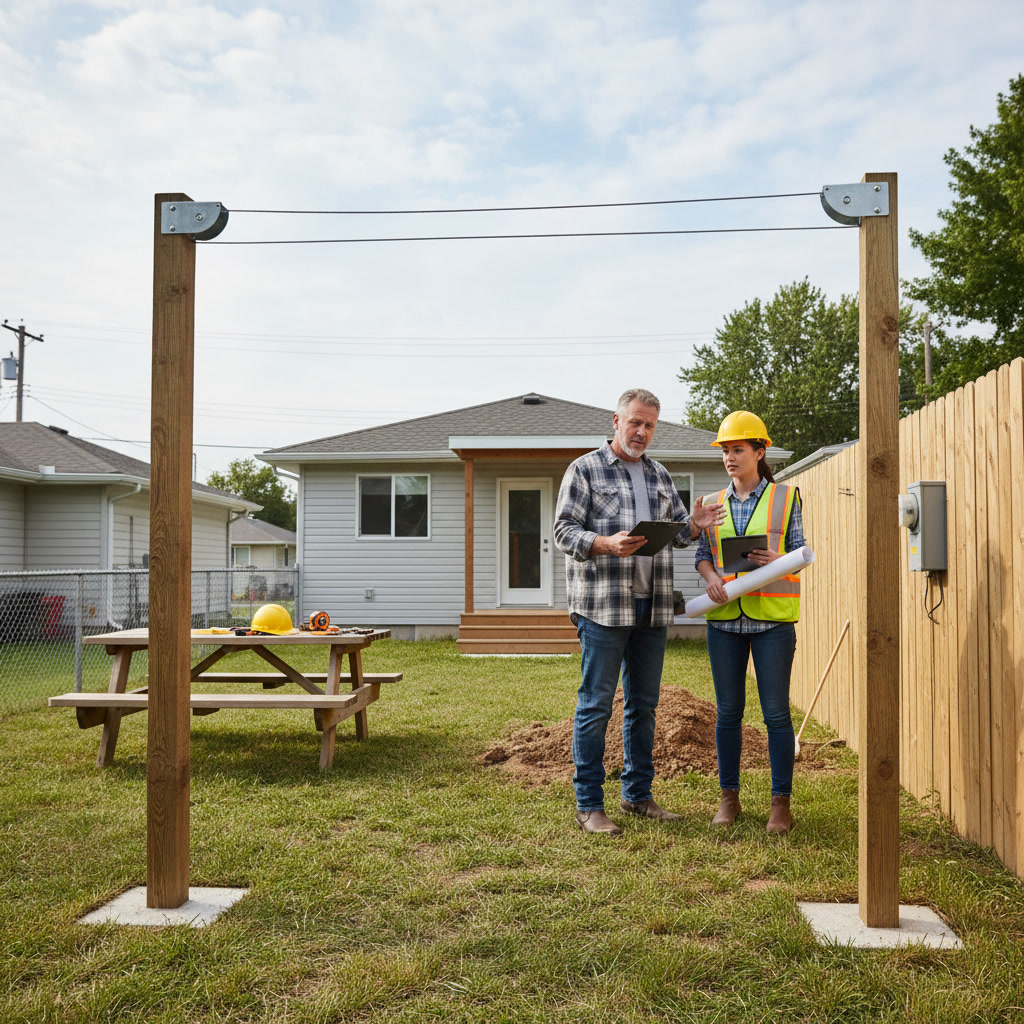
Some homeowners consider handling laundry line installation themselves to save money. While experienced DIYers can manage basic plumbing tasks, several factors make professional installation the smarter choice for most people.
Professional plumbers carry specialized tools including pipe cutters, threading equipment, pressure testing devices, and inspection cameras. Purchasing or renting these tools for a single project often costs more than hiring a pro. Licensed plumbers also carry insurance that protects you from liability if something goes wrong.
Mistakes during installation can cause water damage, mold growth, or sewage backups that cost thousands to repair. A professional completes the work correctly the first time, pulls necessary permits, and warranties their labor. Most reputable plumbing companies offer one to two year warranties on workmanship.
The time investment matters too. What takes a professional three hours might take an inexperienced homeowner an entire weekend. If you value your time or lack confidence in your plumbing skills, professional installation delivers better value and results.
Additional Costs to Consider
Beyond the basic installation, several related expenses might apply to your project depending on your specific situation and home condition.
Water Heater Capacity
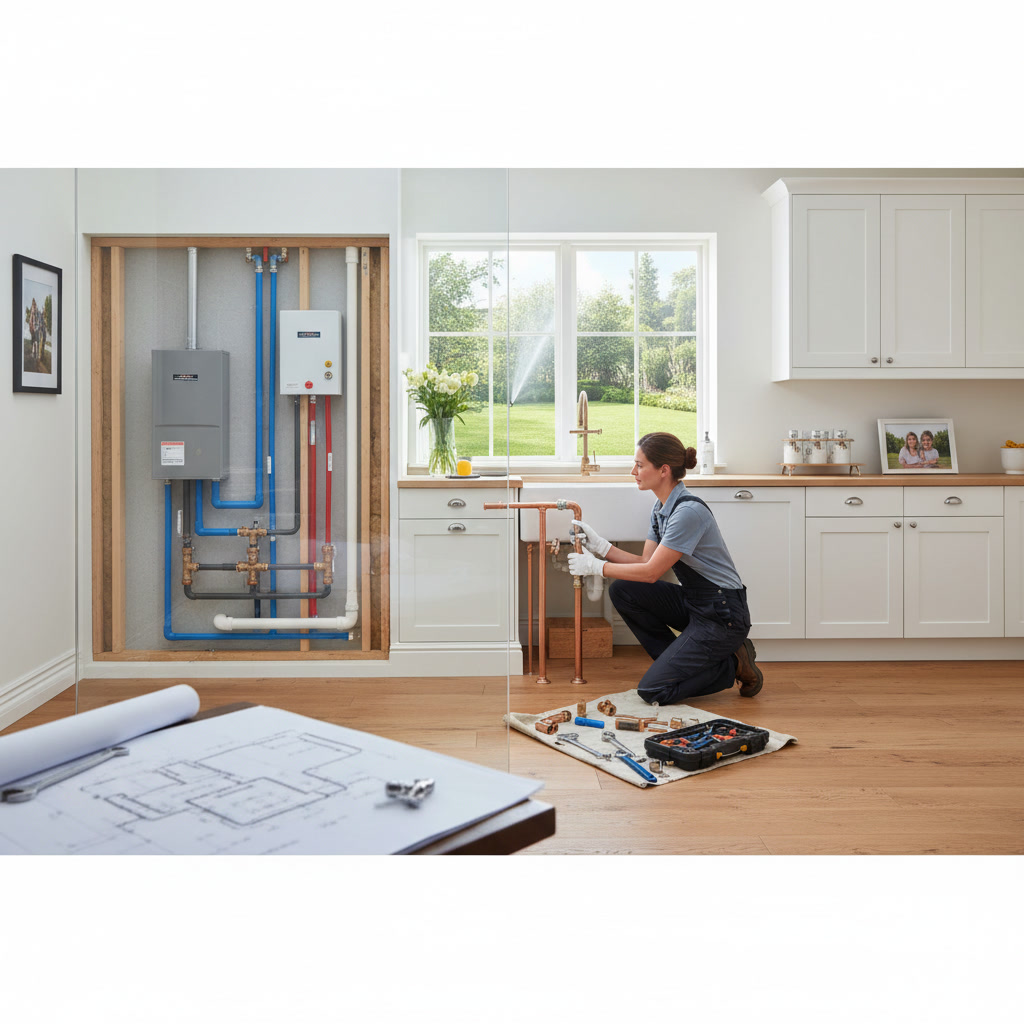
If you’re adding laundry facilities and your current water heater struggles to meet demand, you might need an upgrade. A tankless water heater provides endless hot water but requires professional installation and proper sizing. Traditional tank upgrades cost less upfront but might not solve capacity issues for larger households.
Shut-Off Valve Upgrades
Modern laundry installations should include quarter-turn ball valves for both hot and cold lines. These valves make it easy to shut off water for maintenance or in emergencies. If your installation point lacks proper shut-offs, adding them costs an extra $75 to $200 but provides important safety and convenience.
Drain Box Installation
A recessed drain box gives your laundry area a clean, finished look while protecting connections. These boxes cost $30 to $100 for materials plus one to two hours of additional labor for installation and wall finishing.
Floor Drain Addition
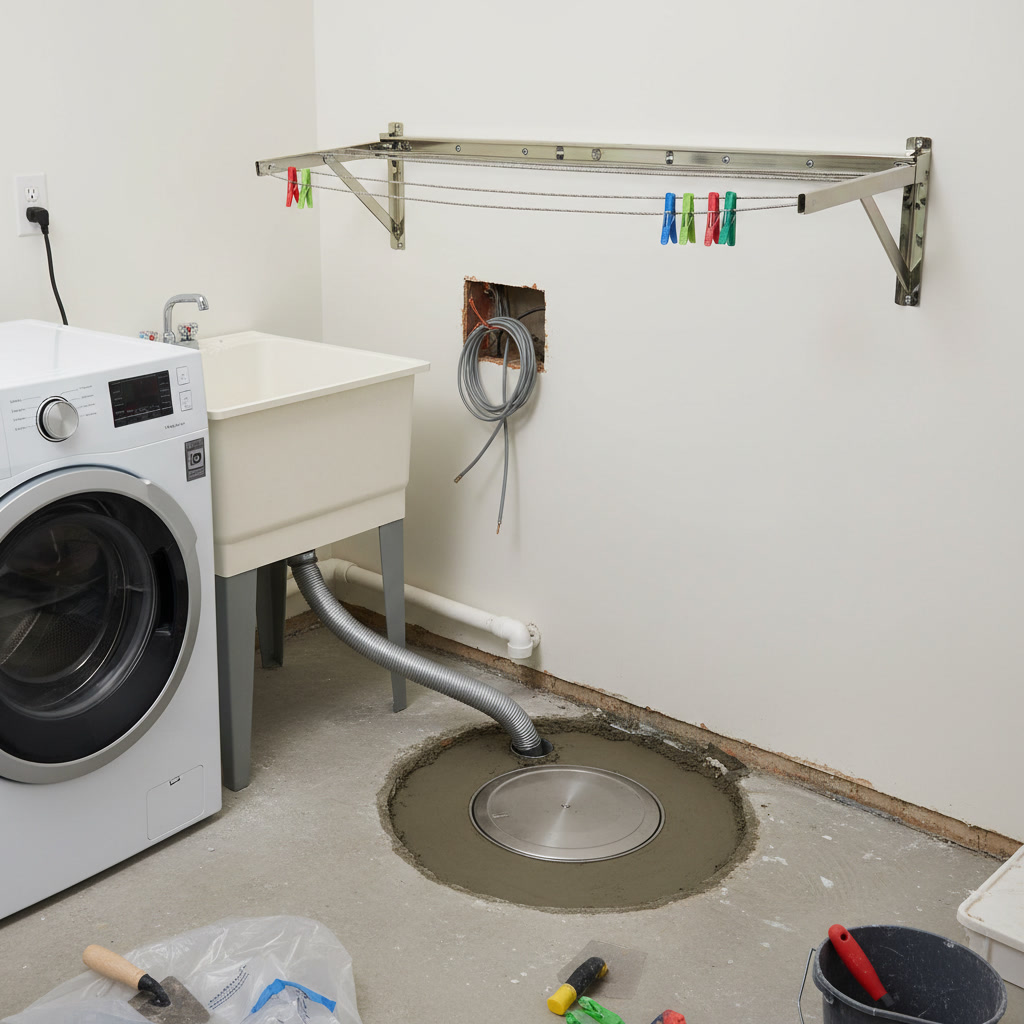
Some homeowners add a floor drain near their washing machine to catch overflow or leak water. This prevents water damage to finished floors and lower levels. Adding a floor drain costs $500 to $1,500 depending on concrete cutting requirements and drainage routing. This investment makes sense if your laundry sits above finished living space.
When to Upgrade During Installation
If your home has old plumbing, the laundry line installation presents an opportunity to address other issues before they cause problems. Many homeowners discover outdated or corroded pipes when opening walls for new connections.
Galvanized steel pipes installed before 1960 often suffer from corrosion and restricted flow. Replacing these sections during your laundry installation adds upfront cost but prevents future leaks and improves water pressure throughout your home. The incremental cost for replacing accessible old piping runs $200 to $600, much less than emergency repairs later.
Similarly, if drain pipes show signs of corrosion, tree root intrusion, or improper slope, addressing these issues during installation saves money compared to two separate projects. Your plumber can inspect your existing system and recommend practical upgrades that make sense given the work already underway.
Consider how drainage problems affect plumbing systems across all fixtures. If you’ve experienced slow drains or backups elsewhere in your home, the connection point might reveal underlying issues worth addressing. Professional drain cleaning services can clear blockages and restore proper flow before connecting your new laundry lines.
Cost Comparison by Location Type
Where you install your laundry facilities significantly affects the final price. Each location presents unique challenges and requirements that impact labor time and material needs.
First-floor installations near existing plumbing average $500 to $900 for straightforward connections. These projects benefit from easy access to water supply and main drain lines, reducing pipe runs and labor hours.
Second-floor laundry rooms cost more due to additional piping, venting challenges, and structural considerations. Expect to pay $800 to $1,500 for second-floor installations. Your plumber must ensure proper drainage slope and adequate venting, which sometimes requires creative routing through walls and ceilings.
Basement installations vary widely based on your existing plumbing configuration. Basements with exposed plumbing and nearby drainage cost $450 to $800. Finished basements requiring wall penetrations or those lacking nearby drainage can reach $1,200 to $2,000, especially if sewage ejector pumps become necessary for proper drainage.
Garage conversions typically cost $700 to $1,600 because water and drain lines often sit far from garage spaces. Exterior wall routing and frost protection in unheated areas add complexity and expense.
Key Takeaway: The single biggest factor affecting your laundry line installation cost is proximity to existing plumbing. Choose locations that minimize new pipe runs whenever possible to control expenses.
How to Get Accurate Quotes
Getting multiple quotes helps you understand market rates and find the right plumber for your project. When requesting estimates, provide detailed information about your desired location, existing plumbing condition, and any special requirements.
Reputable plumbers visit your home to assess the job before providing quotes. Beware of estimates given over the phone without inspecting your property. These quotes often increase once work begins and unexpected issues surface.
Ask each plumber to itemize their quote showing labor, materials, permits, and any additional work. This breakdown helps you compare apples to apples and understand exactly what each bid includes. Some contractors include wall repair and finishing while others charge extra for these services.
Verify that quotes include proper permitting and code-compliant work. The cheapest bid sometimes comes from contractors who skip permits or use substandard materials. These shortcuts create liability and can fail inspections.
Check contractor credentials including licensing, insurance, and customer reviews. Companies with 20-plus years of experience like Cisco Plumbing INC bring expertise that helps projects run smoothly and finish on budget. Similar to understanding sewer line repair costs, getting detailed laundry installation quotes prevents surprises and ensures quality work.
Frequently Asked Questions
How long does a typical laundry line installation take?
Most standard installations take two to four hours when connecting to nearby existing plumbing. Complex projects requiring extensive pipe runs, wall modifications, or drainage additions can take six to eight hours or span multiple days. Your plumber can provide a time estimate after inspecting your specific situation.
Do I need to upgrade my electrical along with plumbing?
Laundry line installation focuses on water supply and drainage, but most washers require dedicated 120-volt outlets while dryers need 240-volt connections. If your new location lacks proper electrical service, you need a licensed electrician to install appropriate circuits. Coordinate plumbing and electrical work to avoid conflicts and ensure both systems meet code.
Can I use my washing machine immediately after installation?
Yes, once your plumber completes the installation and tests all connections for leaks. Professional installers pressure-test supply lines and run water through drains to verify proper operation. They also check that shut-off valves work correctly and drainage flows without backup. You can typically use your washer the same day as installation.
What warranty should I expect on laundry line installation?
Reputable plumbing companies typically warranty their workmanship for one to two years. This warranty covers leaks, improper connections, and installation defects. Material warranties vary by manufacturer, with quality valves and fittings carrying five to 10 year warranties. Always get warranty terms in writing before work begins.
Will installation damage my walls or floors?
Professional plumbers minimize damage by carefully cutting access holes and routing pipes through existing cavities when possible. Some wall or floor cutting might be necessary depending on your home’s layout and existing plumbing location. Discuss finishing and repair expectations with your plumber before starting. Many contractors include basic patching in their quotes, while extensive finishing might cost extra.
Making Your Investment Worthwhile
Understanding laundry line installation costs and the factors that affect pricing helps you budget appropriately and make smart decisions for your home. While costs range from $350 to $2,000, most homeowners pay $600 to $1,200 for quality professional installation near existing plumbing.
Choosing the right location, hiring experienced professionals, and addressing related plumbing issues during installation maximizes your investment and prevents future problems. Proper installation protects your home from water damage while providing reliable laundry facilities for years to come.
Cisco Plumbing INC brings over 20 years of experience to every laundry line installation project throughout Compton, Lynwood, Paramount, Carson, Gardena, and South Gate. Our licensed plumbers handle everything from simple connections to complex installations requiring extensive rerouting. Call +14242271819 today for a detailed quote and expert guidance on your laundry installation project.