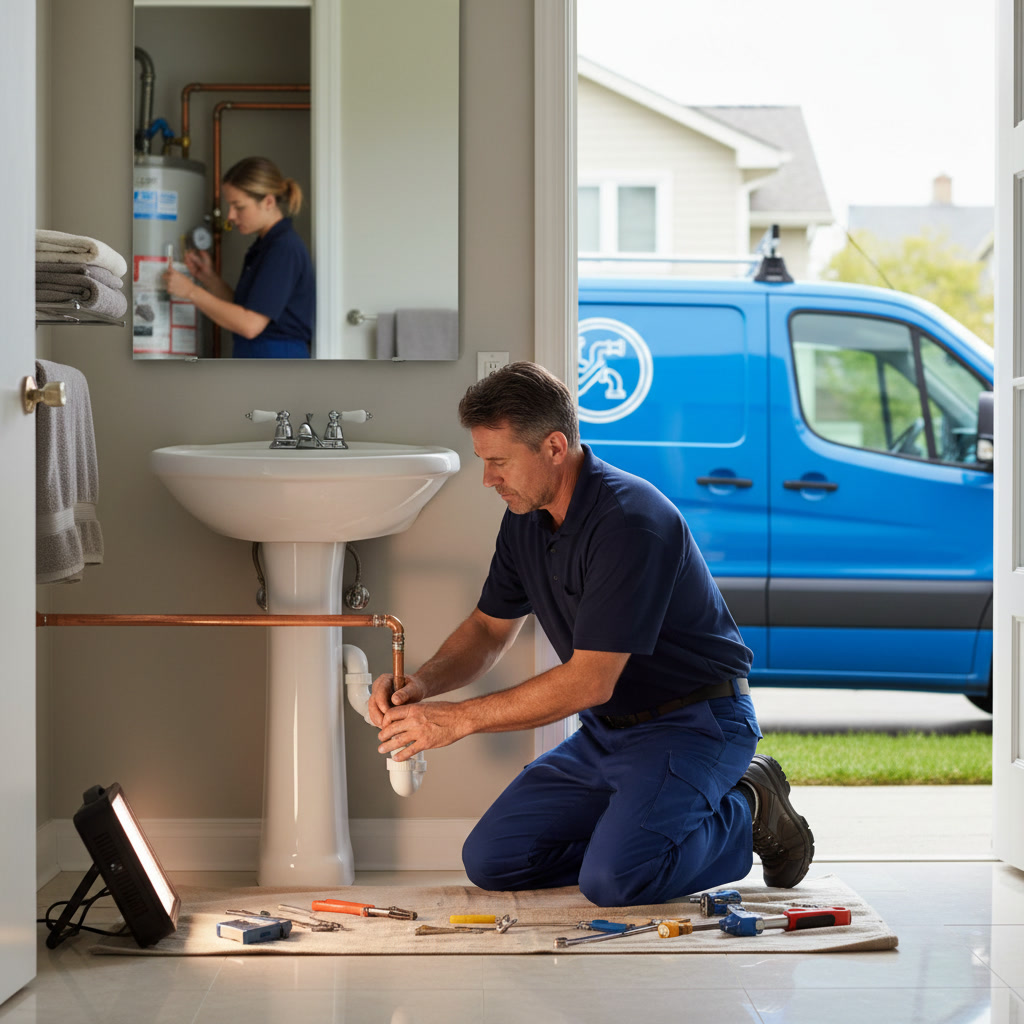
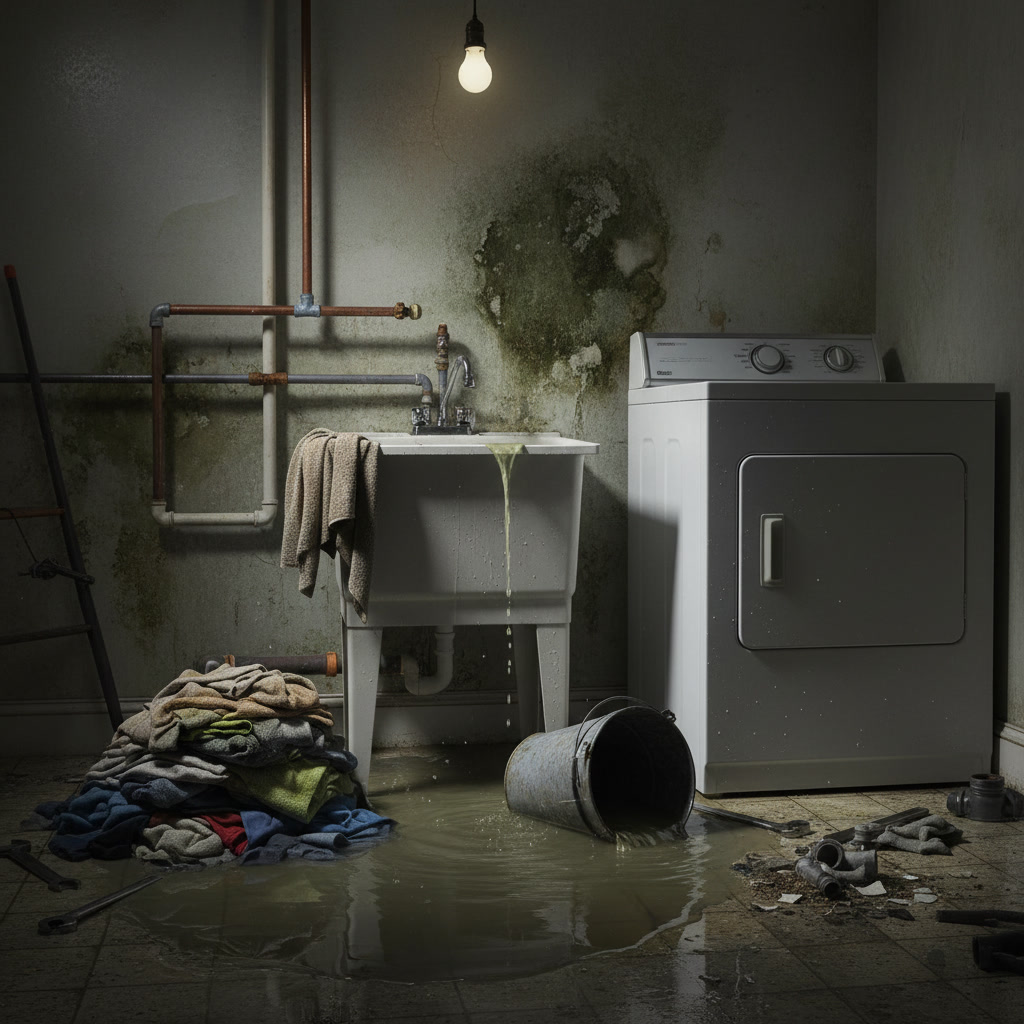
Laundry room plumbing problems often start small but can quickly escalate into major household crises, causing water damage, mold growth, and expensive structural repairs. Most homeowners only notice issues after a significant leak or backup occurs, but trained professionals can spot warning signs weeks or months before catastrophic failure. Recognizing these early indicators and scheduling timely inspections protects your home from preventable damage and saves thousands in emergency repair costs.
Why Laundry Rooms Present Unique Plumbing Challenges
Laundry rooms contain more complex plumbing configurations than most people realize. A single washing machine requires hot and cold supply lines, a dedicated drain line, proper venting to prevent siphoning, and enough water pressure to fill the tub efficiently. These components work under constant stress, cycling between high-pressure fills and rapid drainage dozens of times each week.
The repeated vibration from spin cycles gradually loosens connections. Temperature fluctuations from hot water use cause expansion and contraction in pipes. Lint, detergent residue, and fabric fibers accumulate in drain lines over time. Unlike bathroom fixtures that homeowners inspect regularly, laundry plumbing often sits hidden behind appliances or inside walls until something goes wrong.
Understanding When Routine Maintenance Becomes Urgent
Most plumbing systems benefit from periodic professional inspection, but certain situations demand immediate attention. If your laundry room shares drainage with other fixtures and multiple drains show slow performance, you may face a main line obstruction that requires specialized equipment. Similarly, homes built before 1980 often have galvanized steel supply lines prone to corrosion, and properties in areas with hard water experience accelerated mineral buildup.
The age of your washing machine matters too. Machines older than eight years place greater strain on connections because rubber hoses deteriorate, internal valves wear out, and vibration dampening systems fail. These aging components increase the likelihood of sudden hose bursts or valve failures that flood your laundry room in minutes.
Slow Drainage or Standing Water After Wash Cycles
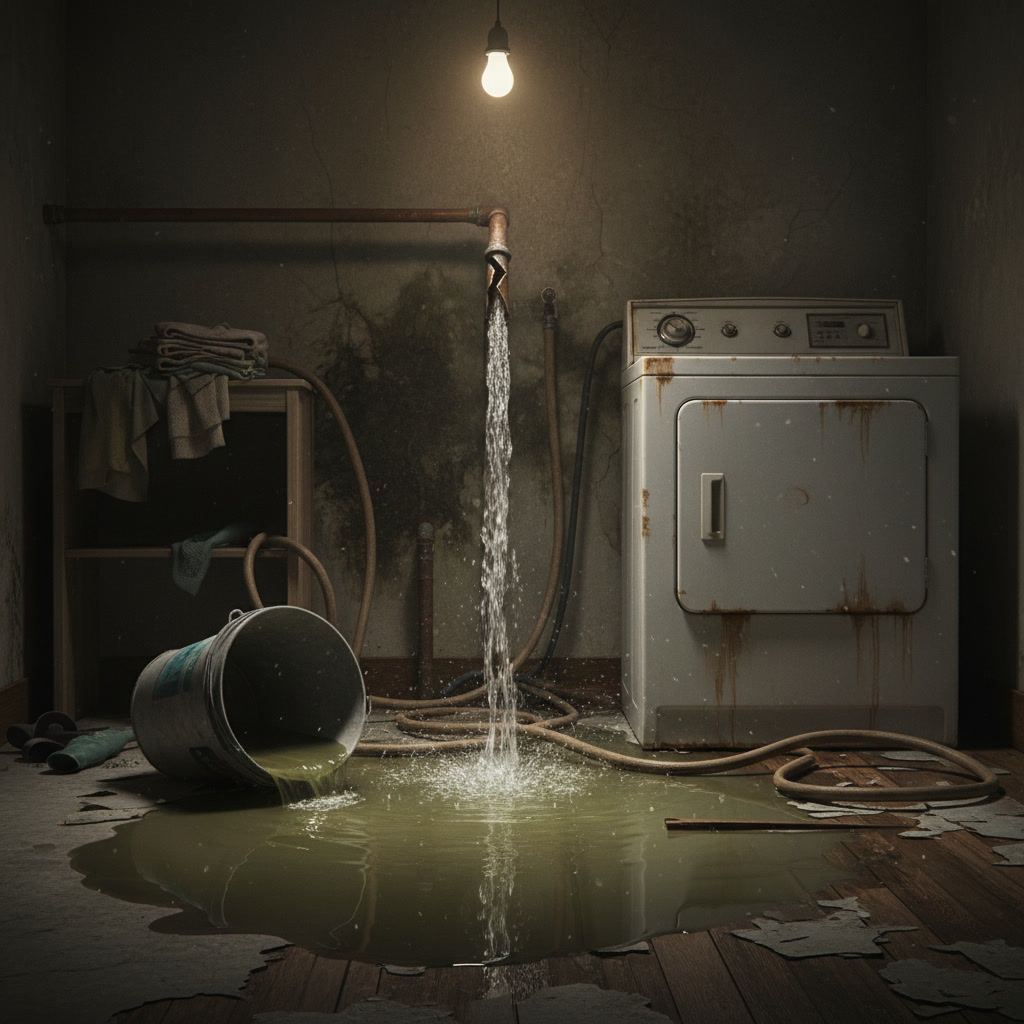
When water pools around your washing machine base or drains sluggishly from the standpipe, you have a developing blockage. Laundry drain lines typically use two-inch diameter pipes, which handle significant water volume during the spin cycle. A properly functioning system drains a full wash load in under two minutes.
Partial clogs form gradually as lint bypasses the machine’s filter and combines with soap scum and mineral deposits inside the drain line. This creates a narrowing restriction that eventually causes backups. If you notice drainage slowing over several weeks, the blockage sits deep enough that simple household remedies will not reach it. Professional drain cleaning equipment can locate and remove these obstructions before they cause complete line failure.
Unusual Sounds During Fill or Drain Cycles
Healthy laundry plumbing operates relatively quietly. Gurgling noises from the standpipe during drainage indicate improper venting, which allows air to enter the system through the drain instead of through dedicated vent pipes. This condition creates negative pressure that can siphon water from nearby P-traps, allowing sewer gases into your home.
Banging or hammering sounds when the washing machine fills signal water hammer, a pressure surge that occurs when valves close too quickly. This repetitive shock damages pipe joints, loosens fittings, and can eventually rupture supply lines. Installing water hammer arrestors solves this problem, but determining the optimal location requires professional assessment of your specific plumbing configuration.
Visible Water Stains or Moisture on Walls and Floors
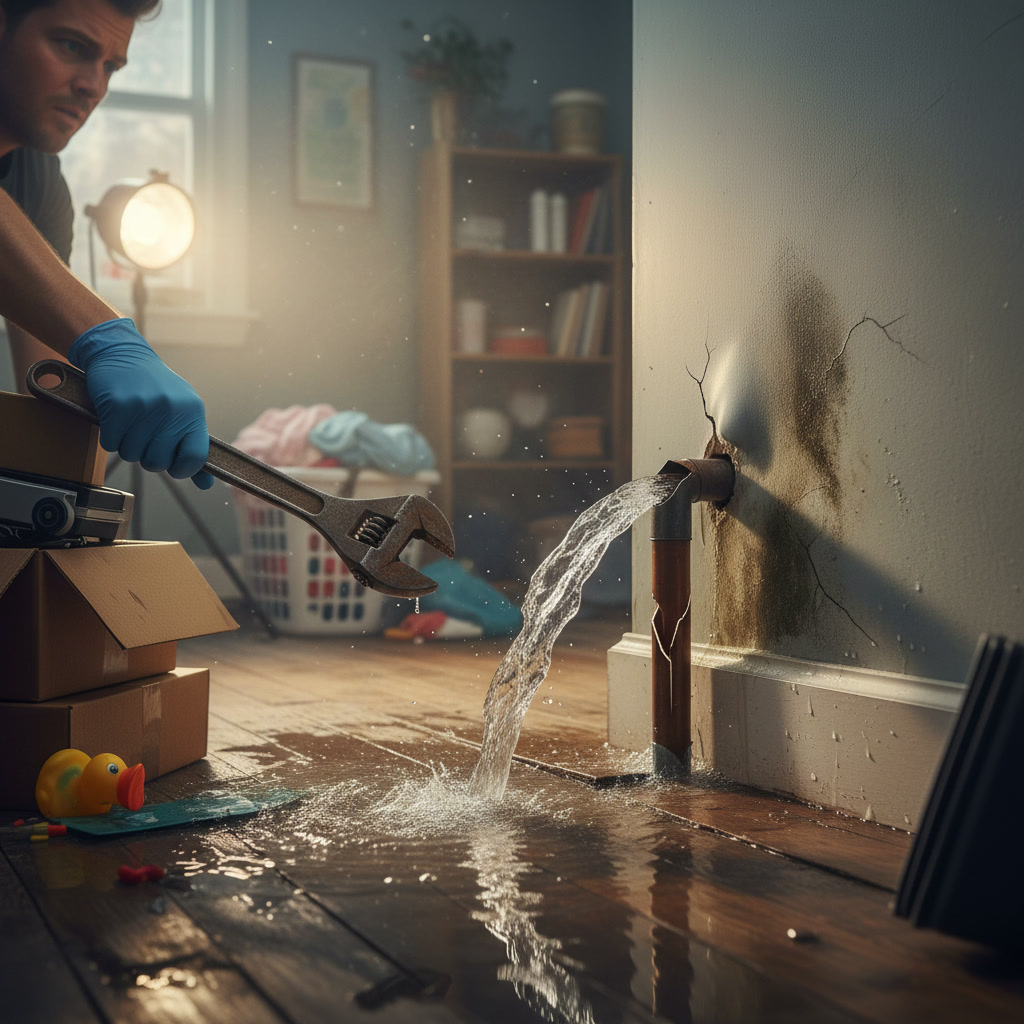
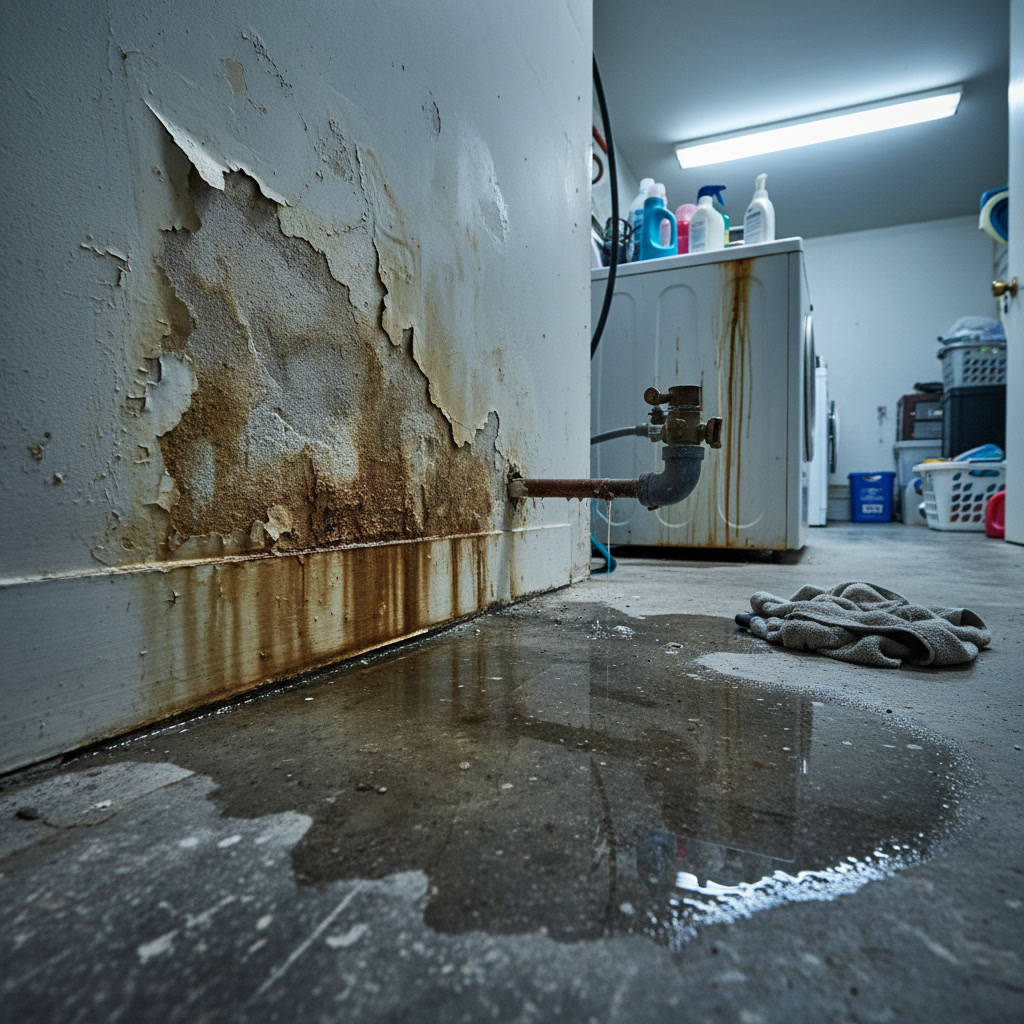
Water stains on drywall behind or beside your washing machine indicate active leaks, even if you cannot see dripping water. Many leaks occur inside walls where supply lines connect to shut-off valves or at points where pipes change direction. These hidden leaks saturate insulation and framing lumber, creating ideal conditions for mold growth and wood rot.
Check the floor directly under and around your washing machine regularly. Warped vinyl flooring, lifting floor tiles, or water-damaged baseboards all point to chronic moisture exposure. In homes with laundry line installations on upper floors, these leaks can damage ceiling structures in rooms below before you notice surface symptoms.
Inconsistent Water Temperature or Pressure in Lynwood Homes
When your washing machine struggles to maintain consistent hot water temperature or takes unusually long to fill, the problem often originates outside the laundry room. Sediment accumulation in your water heater reduces heating efficiency and restricts flow to all fixtures. This issue particularly affects older tank-style water heaters that have never been flushed.
Homes in Lynwood and surrounding areas often deal with moderate to high mineral content in municipal water supplies. These minerals precipitate out when heated, forming scale deposits that narrow pipe interiors and reduce effective water pressure. If you notice temperature inconsistencies specifically during laundry use, your water heater repair needs may extend beyond simple adjustments to include full system descaling or replacement.
Comparing Minor Issues to Emergency Warning Signs
Understanding the difference between maintenance concerns and true emergencies helps you prioritize inspection timing appropriately. Minor issues include occasional slow drainage that resolves on its own, slight mineral deposits on visible fittings, or washing machine hoses showing early surface cracking. These conditions warrant scheduled professional inspection within two to four weeks.
Emergency warning signs demand immediate attention, typically within 24 hours. These include active water pooling that continues after the machine stops, sudden complete drainage blockage, water backing up into other fixtures when the washer drains, visible pipe corrosion with rust stains, or any situation described in articles about identifying urgent plumbing needs. The faster you respond to emergency indicators, the less damage your home sustains.
Foul Odors Coming From Drains or Around the Machine
Sewer gas smells or musty odors around your laundry area indicate either dry P-traps or biofilm accumulation in drain lines. P-traps maintain a water seal that blocks sewer gases from entering living spaces. If you rarely use a laundry sink or floor drain near your washing machine, the water in those traps can evaporate, breaking the seal.
Persistent odors even with regular machine use suggest organic material decomposing inside drain pipes. The warm, moist environment inside laundry drains encourages bacterial growth, which produces characteristic rotten egg smells. Professional cleaning removes this biofilm completely, while household drain cleaners only provide temporary surface improvement and can damage pipes with repeated use.
Corrosion, Rust, or Mineral Buildup on Visible Pipes
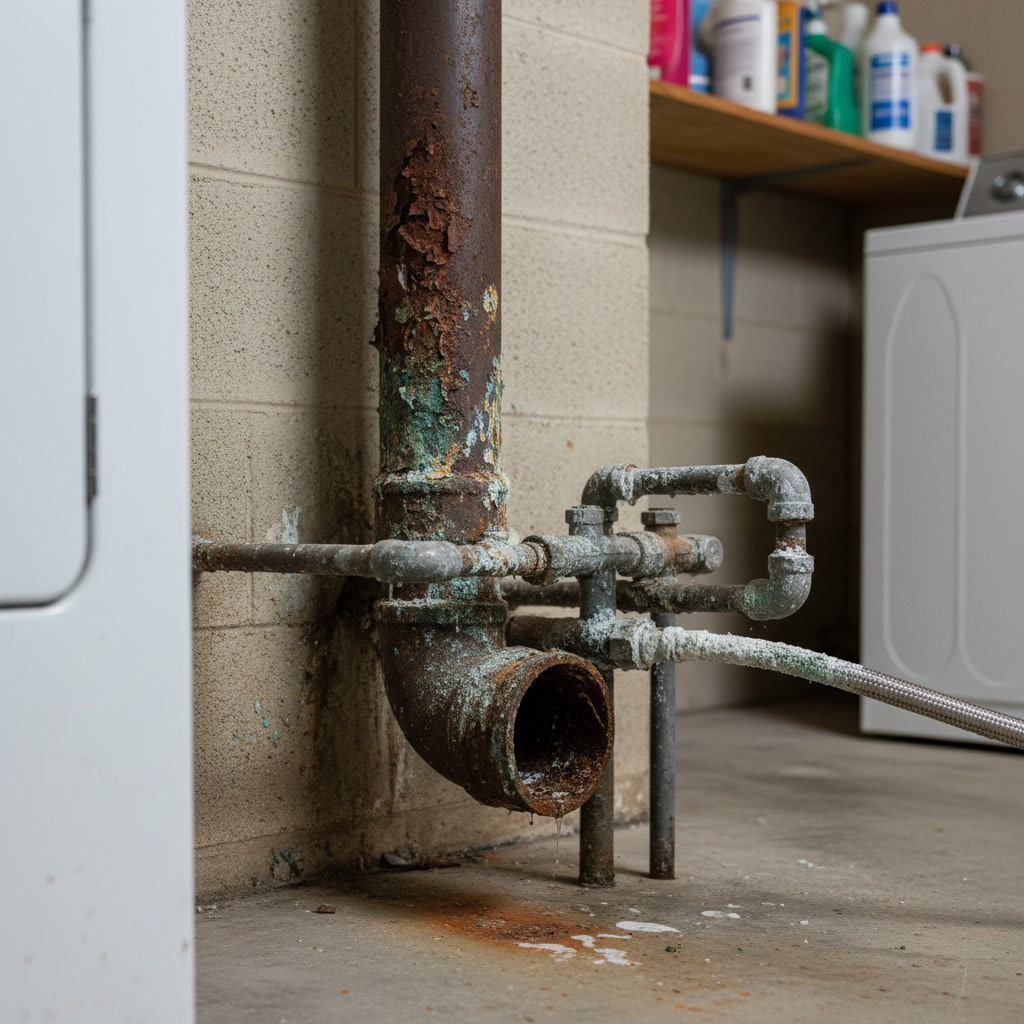
Surface rust on supply line fittings or shut-off valves signals metal degradation that will eventually cause leaks. Galvanized steel pipes, common in homes built before 1970, corrode from the inside out. By the time you see exterior rust, the pipe interior has already narrowed significantly, reducing water pressure and contaminating your water supply with rust particles.
White or greenish mineral deposits around threaded connections indicate slow seepage. These leaks may release only a few drops per day, but the mineral-laden water leaves telltale crusty residue. This condition typically worsens over time as the leak path enlarges through erosion. Tightening the fitting rarely solves the problem because the threads themselves have corroded.
What Professional Inspections Reveal That Homeowners Miss
Licensed plumbers use specialized tools and techniques that uncover hidden problems during routine inspections. Fiber optic cameras inserted into drain lines show blockage locations, pipe condition, and structural issues like root intrusion or collapsed sections. Pressure testing identifies supply line weaknesses before they fail catastrophically. Infrared cameras detect moisture inside walls where visual inspection cannot reach.
Perhaps most valuable, experienced professionals recognize patterns that indicate developing failures. A washing machine that drains properly but shows mineral buildup on one supply line connection may have a failing valve inside the machine itself. Cisco Plumbing INC technicians use this diagnostic expertise to catch problems in early stages, when repairs cost a fraction of emergency service calls and water damage remediation.
Long-Term Benefits of Proactive Plumbing Maintenance
Regular professional inspections extend the lifespan of your entire plumbing system. Catching a small leak before it saturates wall framing prevents thousands in structural repairs. Removing drain line buildup before complete blockage avoids emergency calls during evenings or weekends when service costs more. Replacing aging supply hoses on your schedule rather than after they burst at 2 a.m. gives you control over timing and cost.
Documentation from professional inspections also proves valuable for insurance claims and home sales. Many homeowners insurance policies require evidence of regular maintenance to honor water damage claims. Similarly, comprehensive plumbing inspection reports reassure potential home buyers and can strengthen your negotiating position.
Protecting Your Home From Preventable Water Damage
The warning signs discussed throughout this article share one common thread: they all start small and grow progressively worse without intervention. A slight drainage slowdown becomes a complete backup. Minor corrosion becomes a ruptured pipe. Small leaks become major water damage. Professional inspection breaks this progression by identifying problems while they remain manageable and affordable to fix.
Your laundry room works hard, cycling hundreds of gallons of water through complex plumbing connections every week. The stress this places on pipes, valves, and fittings makes regular professional assessment a sound investment rather than an optional expense. When you notice any of the signs described here, prompt action protects your property and gives you peace of mind.
Cisco Plumbing INC brings over 20 years of experience diagnosing and resolving residential plumbing issues throughout the greater Compton area. Our technicians understand local water conditions, common housing construction methods, and the specific challenges laundry room plumbing presents. Schedule a comprehensive inspection by calling +14242271819 to ensure your home’s plumbing remains in optimal condition year-round.