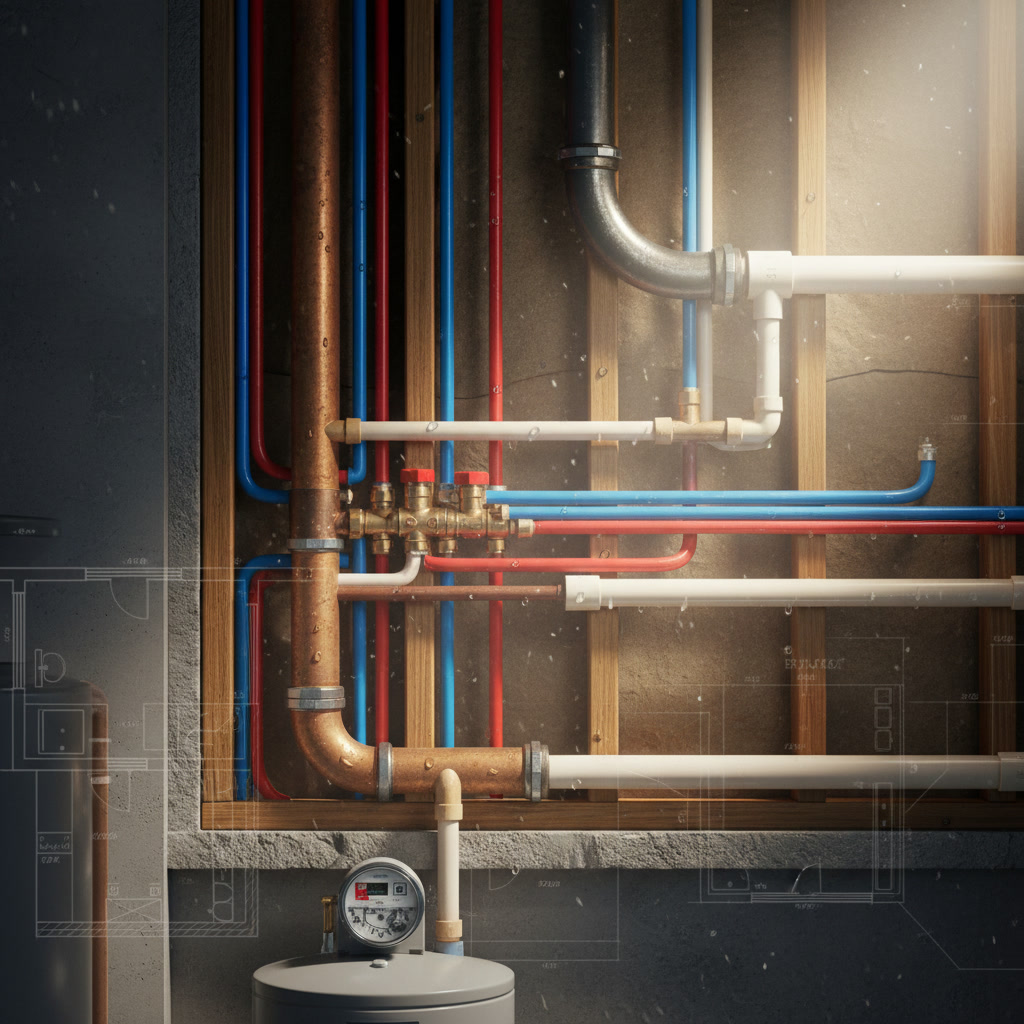
Residential plumbing systems deliver clean water to every fixture in your home and remove wastewater safely through a network of pipes, valves, and drains. Understanding how plumbing systems work helps you identify potential problems early, maintain your home’s infrastructure, and make informed decisions about repairs or upgrades. The entire system operates through two separate subsystems: the supply system that brings fresh water under pressure and the drain-waste-vent system that carries used water away by gravity.
Most homeowners never think about the complex network of pipes hidden behind walls and under floors until something goes wrong. A working knowledge of your home’s plumbing makes it easier to perform basic maintenance, spot warning signs of trouble, and understand what plumbers tell you when they diagnose issues.
Why Understanding Your Home Plumbing Matters
When you know where your water supply originates and how it travels through your house, you can respond quickly during emergencies. Locating the main shutoff valve becomes second nature when a pipe bursts. Recognizing the difference between a supply line problem and a drainage issue helps you describe symptoms accurately when you call for professional help.
Your home’s plumbing represents a significant investment that directly affects property value and daily comfort. Small problems like slow drains or minor leaks turn into expensive repairs when ignored. Knowledge of basic plumbing operations lets you distinguish between DIY fixes and situations requiring expert attention from qualified plumbing services.
The Water Main Connection
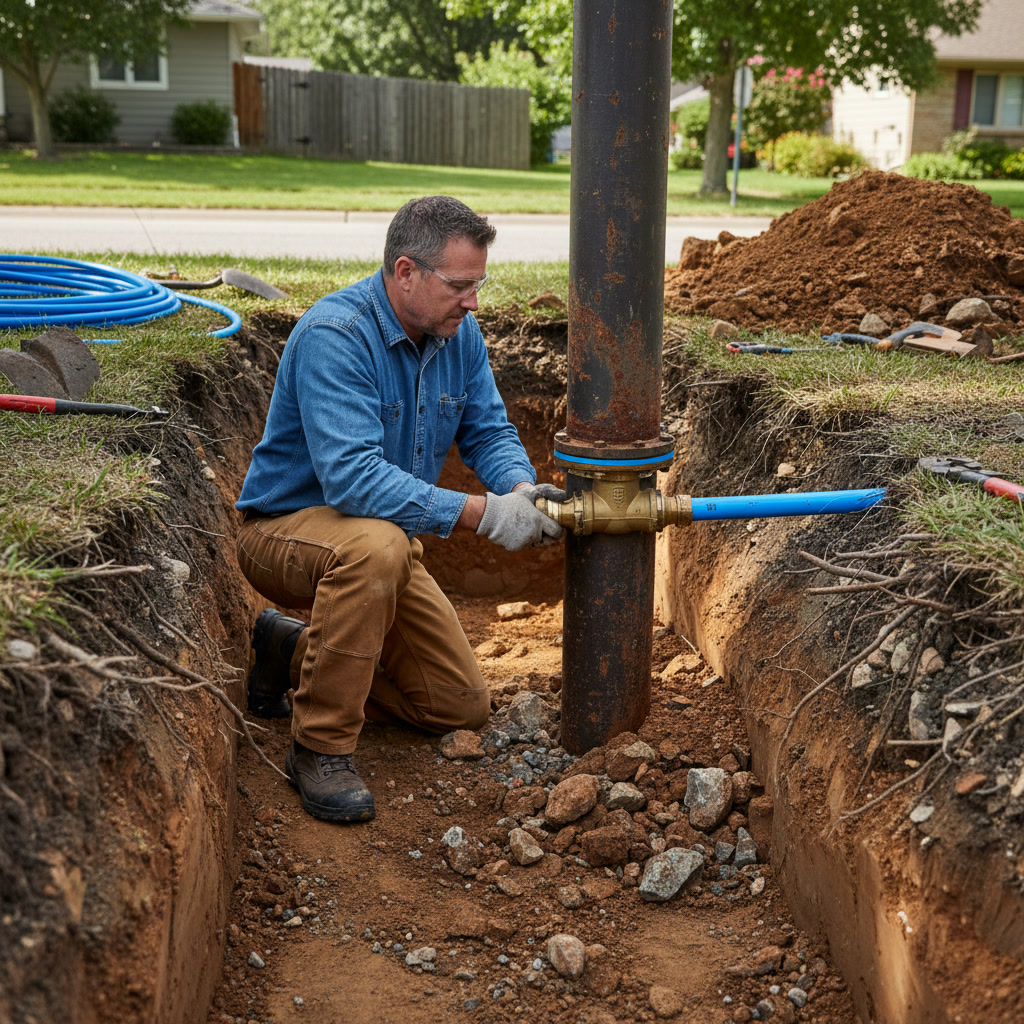
Every residential plumbing system begins at the water main, a large municipal pipe that runs beneath your street. A service line branches from this main and connects to your property through a meter that measures consumption. The water company owns and maintains everything up to the meter, while homeowners bear responsibility for all plumbing from that point forward.
Water pressure in municipal systems typically ranges from 50 to 70 pounds per square inch (PSI), providing enough force to push water to the highest fixtures in multi-story homes. Before entering your house, water passes through the meter and a main shutoff valve. This critical valve lets you stop all water flow during emergencies or major repairs. Knowing its exact location saves valuable time when every second counts.
How the Supply System Delivers Fresh Water
From the main shutoff valve, cold water splits into two paths. One branch continues as cold supply, running directly to fixtures throughout your home. The other branch feeds your water heater, where it gets heated to temperatures between 120 and 140 degrees Fahrenheit before circulating as hot supply.
Supply pipes operate under constant pressure, which explains why water flows immediately when you open a faucet. These pipes are typically made from copper, PEX (cross-linked polyethylene), or CPVC (chlorinated polyvinyl chloride). Copper pipes last 50 years or more but cost more to install. PEX offers flexibility and freeze resistance at a lower price point. CPVC provides an economical middle ground with good durability.
Both hot and cold supply lines branch throughout your home like a tree, with trunk lines feeding smaller branch lines to individual fixtures. Each fixture ideally has its own shutoff valve, allowing repairs without shutting down water to the entire house. These individual valves often become crucial when you need urgent faucet repair or toilet maintenance.
Water Heater Operation and Hot Water Circulation
Traditional tank water heaters store 30 to 80 gallons of heated water ready for immediate use. A thermostat monitors temperature and triggers burners or heating elements when water cools below the setpoint. The heated water rises to the top of the tank where the hot water outlet pipe draws from, while cold replacement water enters near the bottom.
This constant heating cycle consumes energy even when you’re not using hot water, a phenomenon called standby heat loss. Modern tankless water heater systems eliminate this waste by heating water only on demand. When you open a hot water tap, cold water flows through a heat exchanger where gas burners or electric coils rapidly heat it to the desired temperature.
Hot water travels through insulated pipes to reach fixtures throughout your home. The distance between your water heater and fixtures determines wait time for hot water. Homes with water heaters located far from bathrooms may require 30 seconds or longer for hot water to arrive, wasting several gallons down the drain during the wait.
The Drain-Waste-Vent System Explained
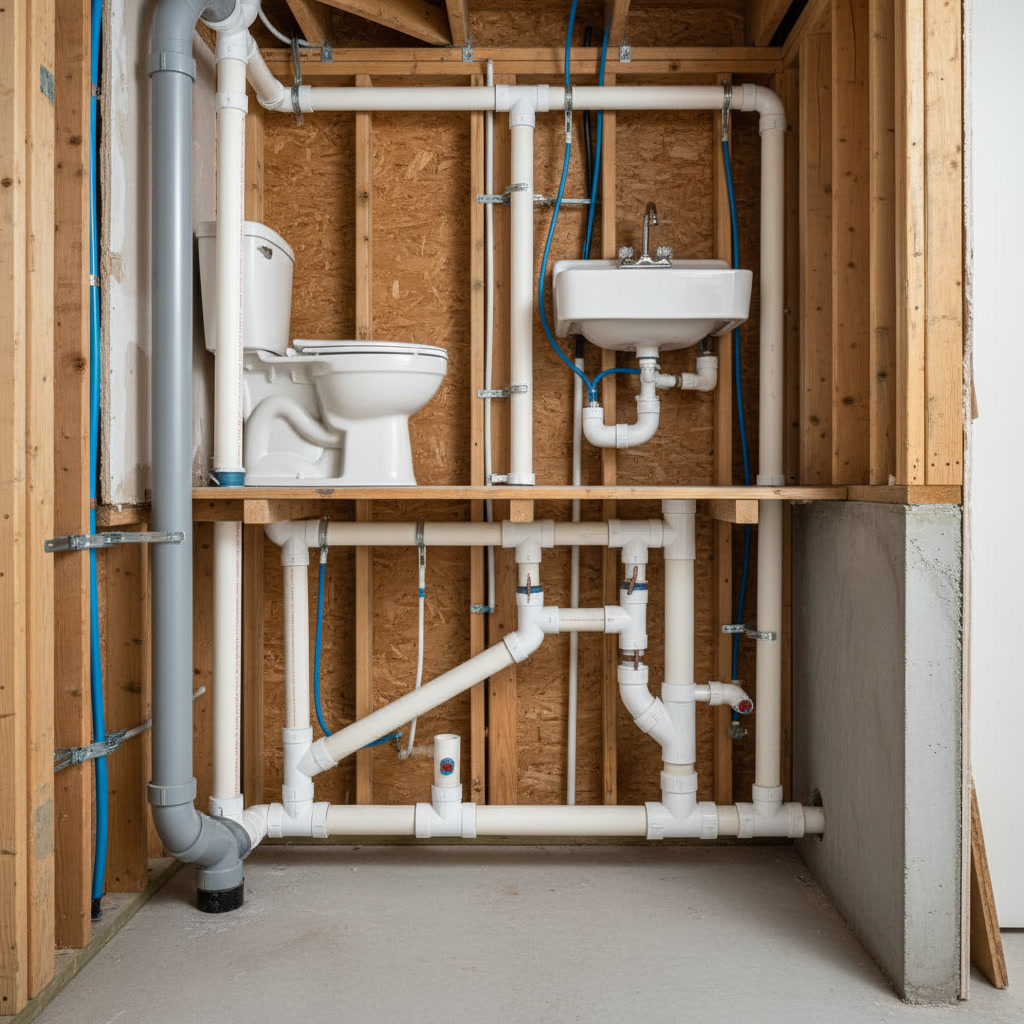
While supply systems use pressure to deliver water, the drain-waste-vent (DWV) system relies entirely on gravity to remove wastewater. Every fixture connects to drain pipes that slope downward at a precise grade, typically one-quarter inch per foot. Too little slope allows water to pool and solids to accumulate. Too much slope causes water to rush ahead while leaving solid waste behind.
Drain pipes are wider than supply pipes because they must carry solid waste along with water. Toilet drains measure three or four inches in diameter, while sink and shower drains typically run one and a half to two inches. All these drains eventually connect to a main drain line or soil stack that exits your home and connects to the municipal sewer system or septic tank.
The vent portion of the DWV system proves just as critical as drains, though it’s less visible. Vent pipes allow air to enter the drainage system, preventing the vacuum effect that would otherwise slow drainage and suck water from fixture traps. Most vent pipes extend through your roof, allowing sewer gases to escape safely into the atmosphere.
Fixture Traps and Why They Matter in Lynwood Homes
Look beneath any sink and you’ll see a curved section of pipe shaped like the letters P or S. These traps serve a vital health and safety function by holding a small amount of water that blocks sewer gases from entering your living space. Without this water seal, toxic and foul-smelling gases would flow backward through drains.
The trap design allows solid debris and hair to settle in the curved section where it can be accessed for cleaning. When you call Cisco Plumbing INC for a slow drain, the trap is often the first component professionals check and clear. In the Lynwood climate, traps in rarely used fixtures can dry out, breaking the seal and allowing odors inside. Running water through guest bathroom sinks and floor drains every few weeks prevents this problem.
Each fixture type connects to the drainage system slightly differently. Toilets have built-in traps molded into the porcelain, while sinks, showers, and tubs use external trap assemblies. Bathtub repair often involves accessing the trap through an access panel or from below. Understanding trap locations helps you troubleshoot drainage issues more effectively.
Five Common Plumbing System Components and Their Functions
Beyond the main supply and drainage networks, several specialized components keep your plumbing running smoothly:
- Pressure regulators: Reduce incoming water pressure to safe levels between 50 and 75 PSI, protecting pipes and fixtures from damage caused by excessive pressure.
- Expansion tanks: Absorb excess pressure created when water heaters heat water, preventing pressure relief valves from dripping and extending water heater life.
- Backflow preventers: Stop contaminated water from flowing backward into the municipal supply, a code requirement in many jurisdictions for irrigation systems and certain fixtures.
- Cleanout fittings: Provide access points along drain lines for professional drain cleaning equipment, making it possible to clear blockages deep within the system.
- Water softeners: Remove mineral content from hard water, protecting pipes and appliances from scale buildup while improving soap effectiveness and fixture longevity.
Homes in areas with hard water benefit significantly from softeners, which extend the life of water heaters, dishwashers, and washing machines. The payback period for a quality softener typically runs two to five years through reduced repair costs and improved appliance efficiency.
How Water Reaches Your Fixtures
The final stage of the supply system brings water from branch lines to individual fixtures through fixture supply lines. These flexible tubes, typically made from braided stainless steel or polymer materials, connect shutoff valves to faucets, toilets, dishwashers, and washing machines. Their flexibility makes installation easier and provides some protection against vibration damage.
Inside each faucet, valve mechanisms control water flow and temperature mixing. Compression faucets use rubber washers that press against valve seats to stop flow. Cartridge, ball, and ceramic disk faucets use more complex internal mechanisms that generally last longer and require less maintenance. When these components wear out, you’ll notice drips, reduced flow, or difficulty controlling temperature.
Toilet fill valves and flush valves represent specialized fixture connections that meter water precisely for each flush cycle. Modern low-flow toilets use 1.28 to 1.6 gallons per flush compared to older models that consumed three to seven gallons. Understanding these mechanisms helps when troubleshooting problems like running toilets or weak flushes.
Protecting Your System from Common Failures
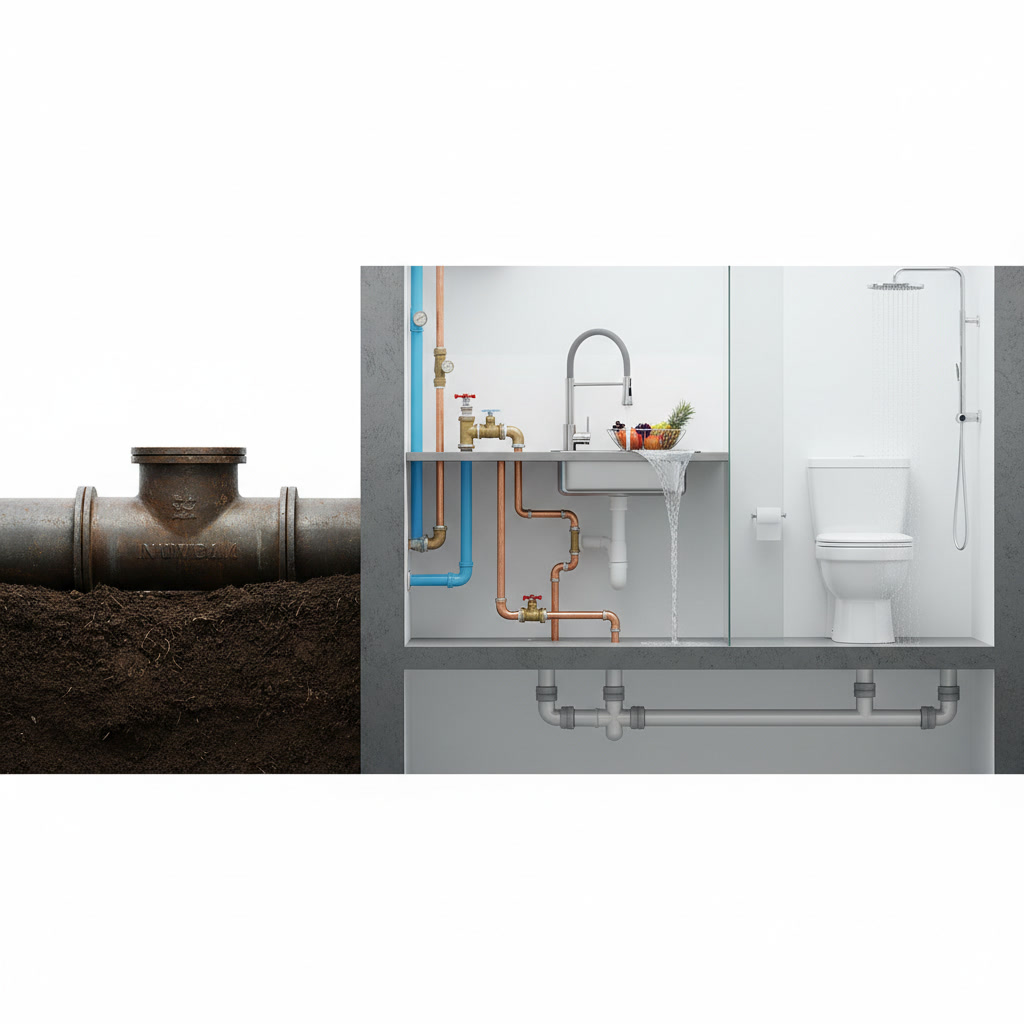
Plumbing systems face several common failure modes that homeowners can often prevent through awareness and basic maintenance. Frozen pipes top the list in areas with cold winters, though Southern California homes occasionally face freeze risk during unusual cold snaps. Pipes in exterior walls, attics, and crawl spaces need insulation to prevent ice formation that can burst pipes.
Scale buildup from hard water gradually restricts flow through pipes and damages water heaters. Annual or biannual water heater flushing removes sediment before it hardens into an insulating layer that forces heating elements to work harder and fail sooner. If you’re considering alternatives, learning about tankless water heater installation shows you options that reduce or eliminate scale problems.
Tree root intrusion into sewer lines causes major headaches for homeowners with older clay or concrete drain pipes. Roots seek moisture and nutrients, entering pipes through tiny cracks before growing into major blockages. Regular video inspections every few years catch root problems before they cause backups. Understanding the typical costs and approaches for repair helps you budget appropriately if inspections reveal damage.
Professional Insights: What Plumbers Check During Inspections
Licensed plumbers examine specific indicators that reveal system health and predict future failures. Water pressure readings at multiple fixtures identify pressure regulator problems or partial blockages in supply lines. Pressure that varies significantly between fixtures suggests localized restrictions rather than system-wide issues.
Drain flow testing with measured water volumes reveals partial clogs before they become complete blockages. A kitchen sink that drains one gallon in eight seconds today but took five seconds last year shows developing restriction. Professional equipment like drain cameras pinpoint exactly where problems exist, eliminating guesswork about whether roots, grease, or collapsed pipes cause slow drainage.
Water heater inspections go beyond visual checks. Measuring inlet and outlet temperatures reveals efficiency losses. Testing the pressure relief valve confirms it operates correctly and will protect your home if the thermostat fails. Checking the anode rod, a sacrificial metal element that corrects corrosion inside the tank, lets plumbers predict remaining tank life. Most homeowners never know anode rods exist, yet replacing this ten-dollar part every five years can double water heater lifespan.
Keeping Your Plumbing System Running Smoothly
Understanding your home’s plumbing from water main to fixtures gives you the knowledge to maintain it properly and recognize problems early. The supply system delivers fresh water under pressure through a network of pipes to every fixture, while the drain-waste-vent system uses gravity to carry wastewater away and vents to prevent drainage problems. Regular maintenance of both systems, attention to warning signs like slow drains or pressure changes, and quick action when problems develop keep repair costs manageable.
Whether you need routine maintenance or face an unexpected plumbing emergency, Cisco Plumbing INC brings over 20 years of experience to residential and commercial properties throughout Southern California. Our team understands how every component of your plumbing system works together and can quickly diagnose issues from the water main to the smallest fixture. Call +14242271819 to schedule an inspection, repair, or installation with plumbers who treat your home with the same care we’d give our own.