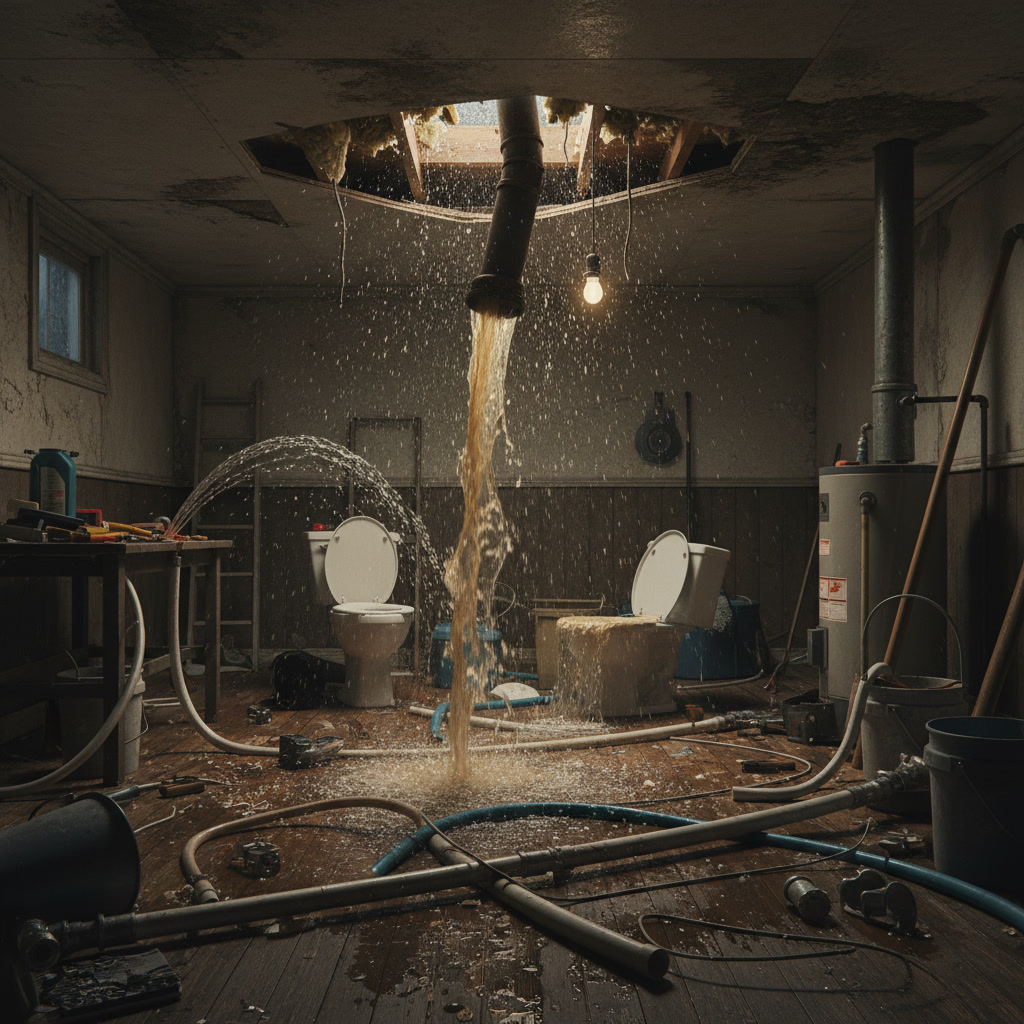
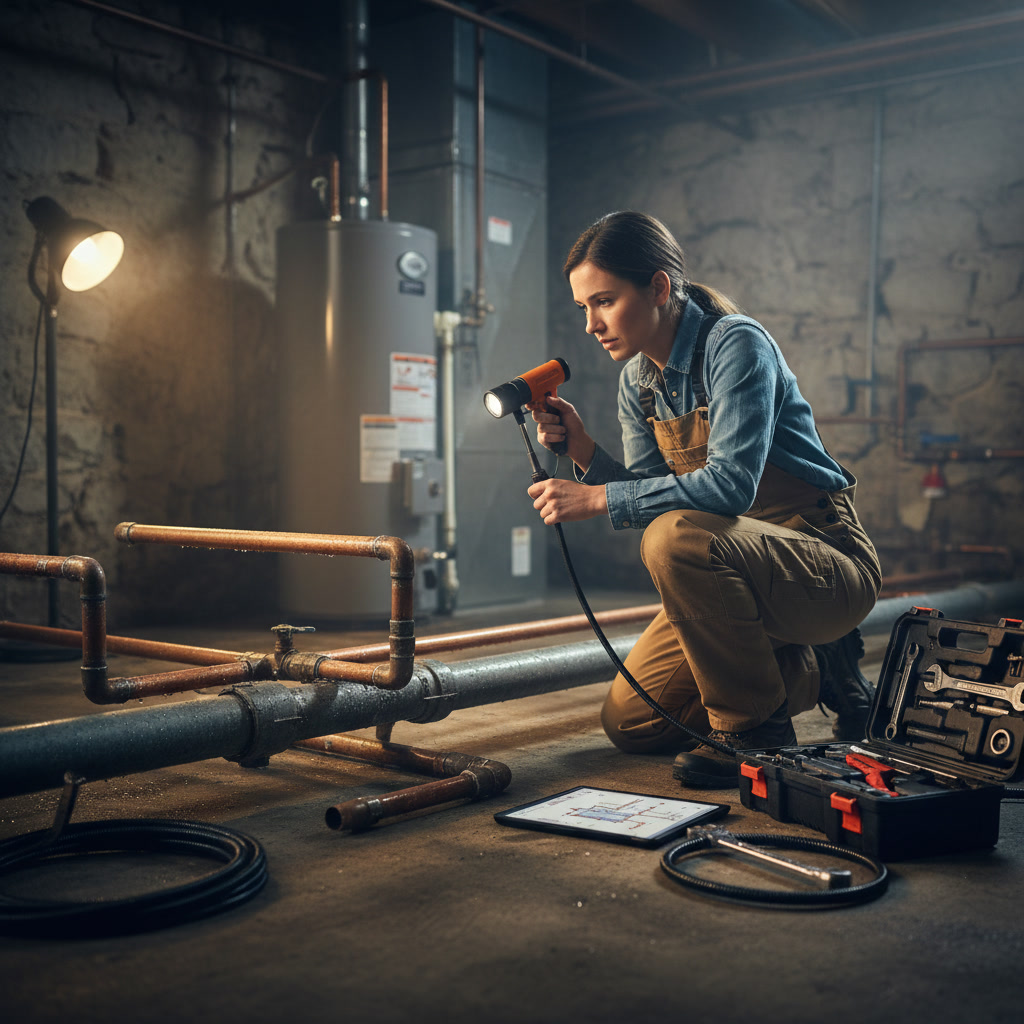
Regular plumbing inspections identify hidden leaks, worn-out fixtures, and deteriorating pipes before they escalate into major repairs that cost thousands of dollars. Professional inspectors use specialized cameras and pressure testing to detect problems invisible to the untrained eye, giving you the chance to fix minor issues for a fraction of emergency repair costs. Most homeowners spend 10 to 15 times more on emergency plumbing repairs than they would have spent on preventive maintenance and routine inspections.
Why Most Homeowners Overlook Their Plumbing Until It Breaks
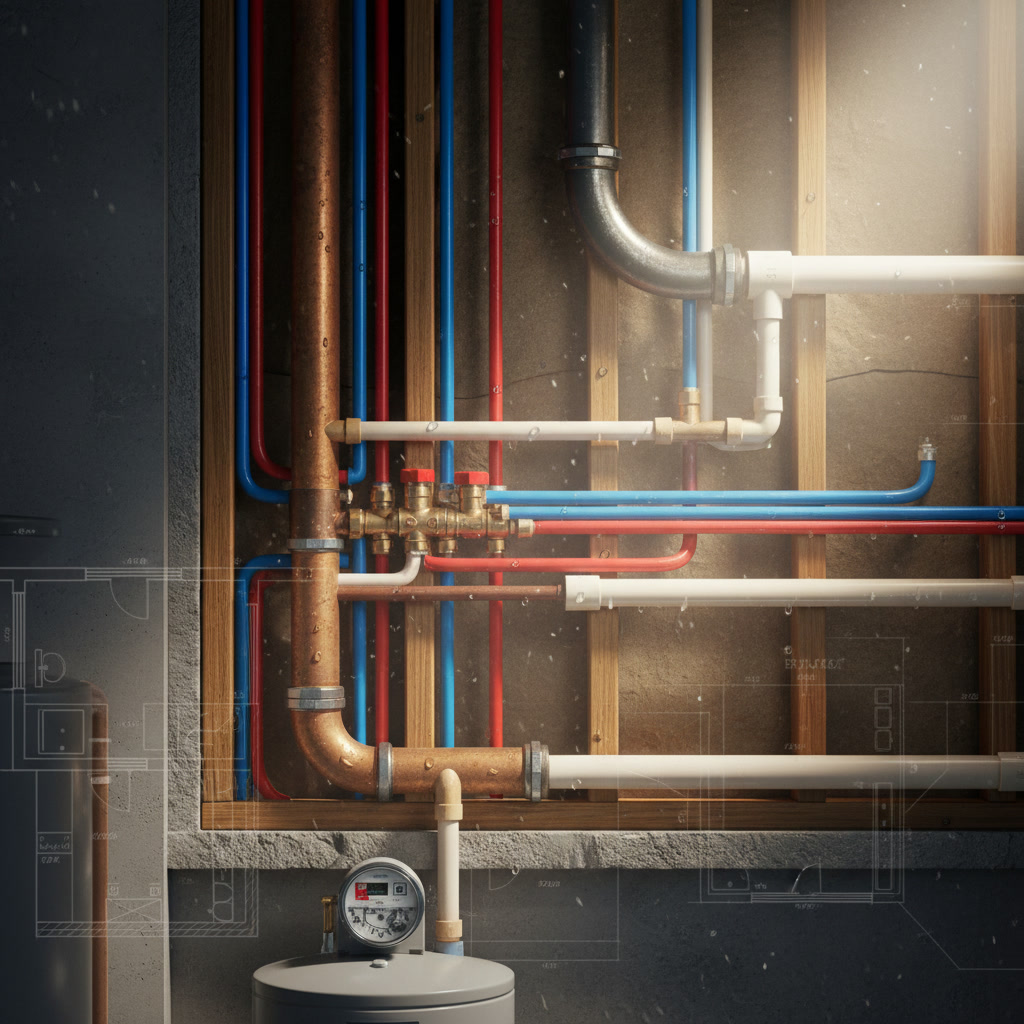
Your plumbing system operates quietly behind walls, under floors, and beneath your yard. Unlike a leaking roof or a broken window, plumbing problems rarely announce themselves until significant damage has already occurred. A slow drip inside a wall cavity can destroy framing, insulation, and drywall for months before you notice a stain on the ceiling. By the time you see visible signs, the repair bill has already multiplied.
Most people assume that if water flows when they turn on a faucet and drains disappear as expected, everything works fine. This assumption ignores the gradual wear happening inside pipes, the mineral buildup restricting water heaters, and the tree roots slowly infiltrating sewer lines. These silent problems progress steadily, and catching them early makes the difference between a simple fix and a financial crisis.
The True Cost of Reactive Plumbing Maintenance
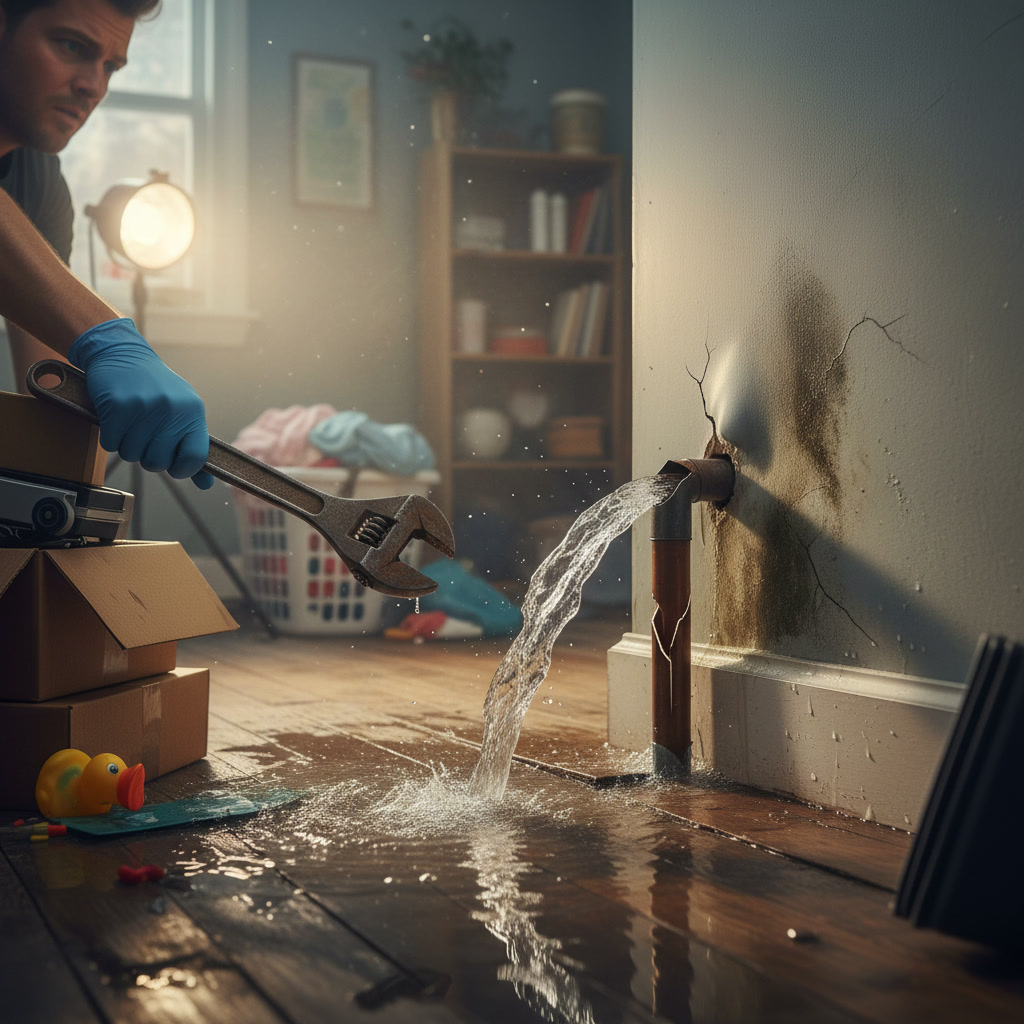
Emergency plumbing repairs carry premium pricing because they happen at the worst possible times. A burst pipe at midnight on a holiday weekend will cost you far more than a scheduled repair during normal business hours. Beyond the plumber’s bill, water damage from a failed pipe can destroy flooring, furniture, electronics, and personal belongings. Insurance deductibles, temporary housing costs, and lost work time add layers of expense that a simple inspection would have prevented.
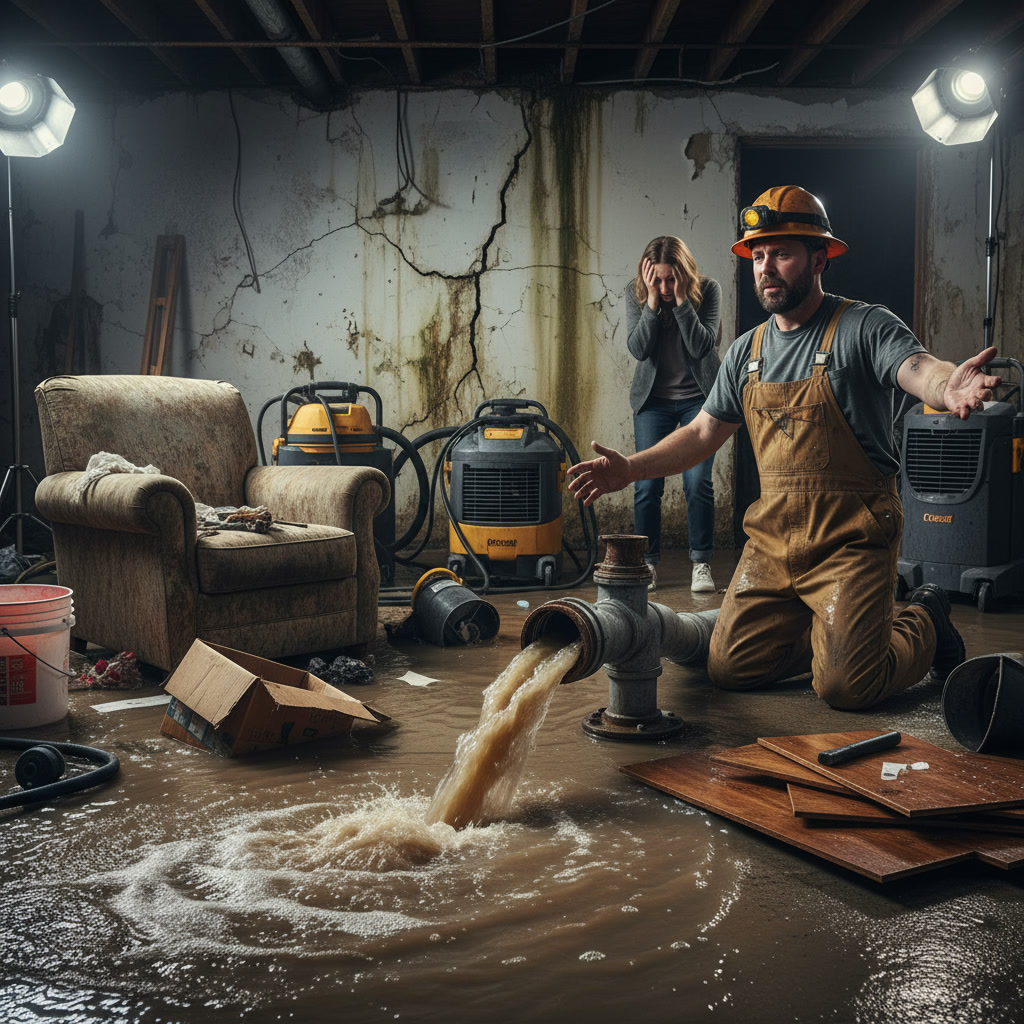
Homeowners who wait for complete failure before calling a plumber often face compounded problems. A slow leak that started in one pipe can cause mold growth, structural damage, and secondary failures in connected systems. What could have been a 200-dollar pipe replacement becomes a 5,000-dollar remediation project involving mold removal, drywall replacement, and multiple plumbing repairs.
What Professional Inspectors Find That You Cannot
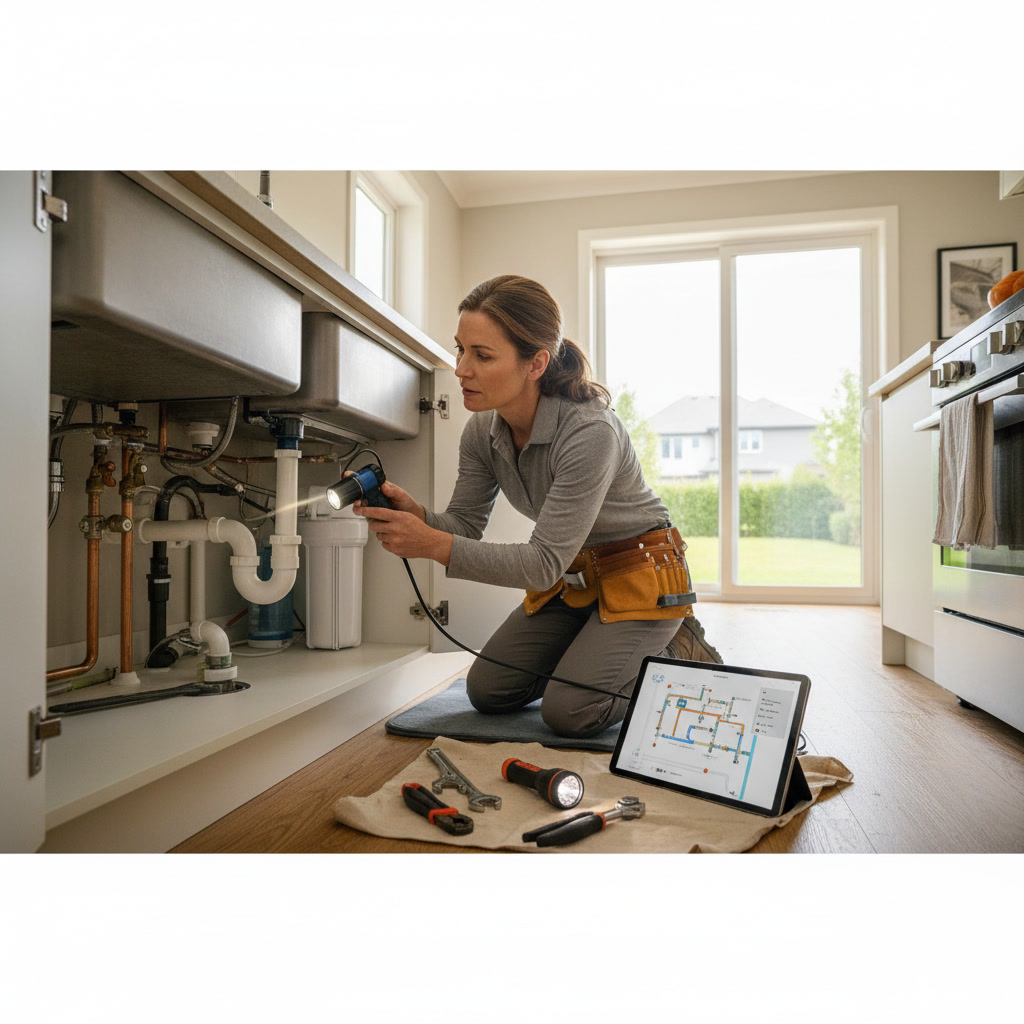
Licensed plumbers use video camera equipment to inspect the inside of drain lines and sewer lines without excavation. These cameras reveal cracks, root intrusion, pipe sagging, and blockages forming deep underground where no homeowner can see them. Thermal imaging cameras detect temperature variations that indicate hidden leaks behind walls or under concrete slabs.
Pressure testing identifies weak points in your supply lines before they burst. Inspectors measure water pressure at multiple fixtures to detect restrictions caused by corrosion or mineral deposits. They check shut-off valves that haven’t been turned in years, discovering which ones have seized and would fail in an emergency when you need them most.
Common Problems Caught During Routine Inspections
Corroded pipe connections represent one of the most frequent discoveries during inspections. Galvanized steel pipes, common in homes built before 1960, corrode from the inside out. The exterior looks fine while the interior diameter shrinks, reducing water pressure and creating conditions for sudden failure. Inspectors identify these aging pipes and recommend replacement before they burst.
Water heater sediment buildup goes unnoticed until the tank fails completely. During an inspection, plumbers drain a sample to check sediment levels and test the pressure relief valve. They measure the temperature and check for corrosion on the tank exterior. These simple checks extend water heater lifespan by years and prevent the flooding that occurs when tanks rupture without warning.
Slow drains seem like minor annoyances until inspectors reveal the true cause. What feels like a simple clog often indicates a deeper problem such as improper venting, pipe bellies where water pools, or the early stages of a main line blockage. Addressing these root causes prevents sewage backups that contaminate your home and require expensive cleanup.
How Often Should You Schedule an Inspection
Homes built before 1980 benefit from annual inspections because older plumbing materials have limited lifespans. Clay sewer pipes crack, cast iron corrodes, and outdated fixtures lack modern efficiency and safety features. If your home falls into this category, yearly professional reviews catch age-related failures before they create emergencies.
Newer homes can typically operate on a two to three-year inspection cycle, though certain circumstances warrant more frequent attention. If you notice changes in water pressure, hear unusual sounds from pipes, or smell sewer odors, schedule an inspection immediately regardless of your normal timeline. Purchasing a home always justifies a thorough plumbing inspection, even if the general home inspection covered basic functionality.
The Inspection Process and What to Expect
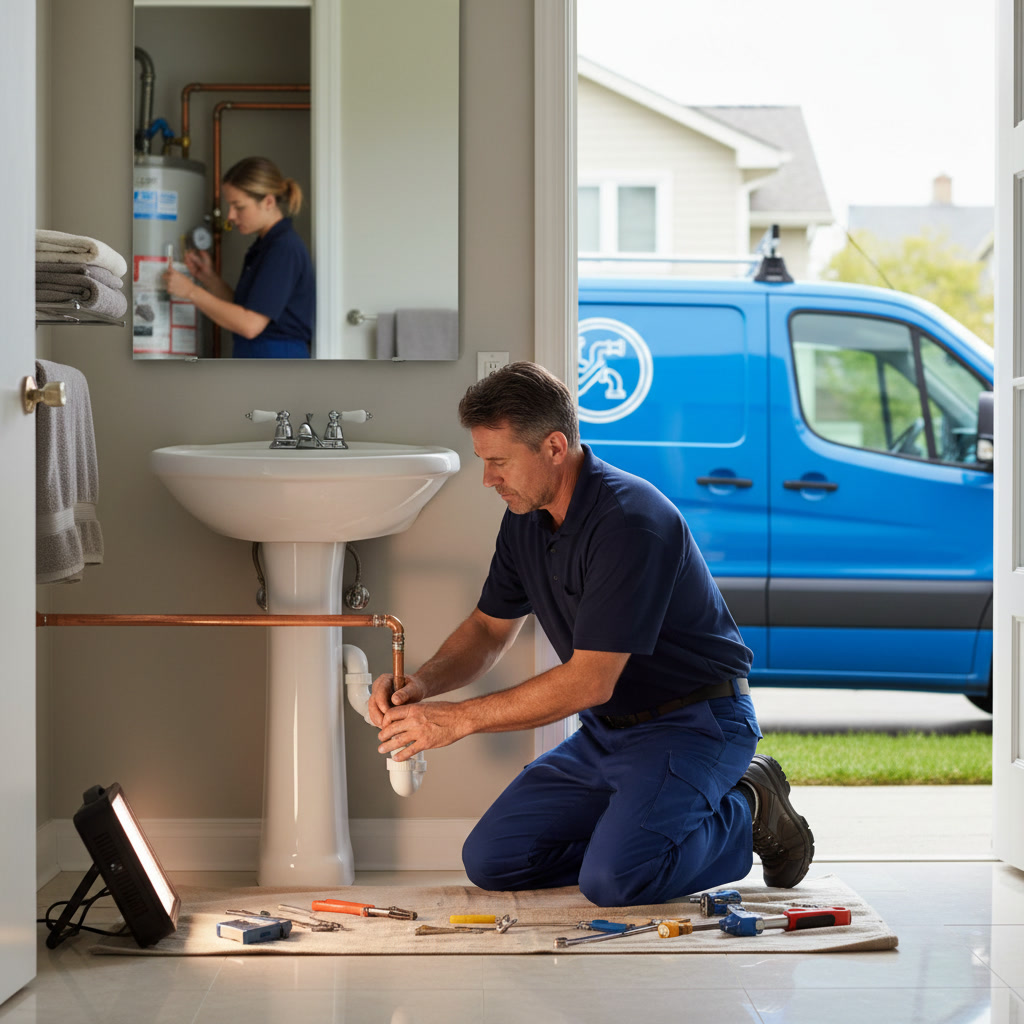
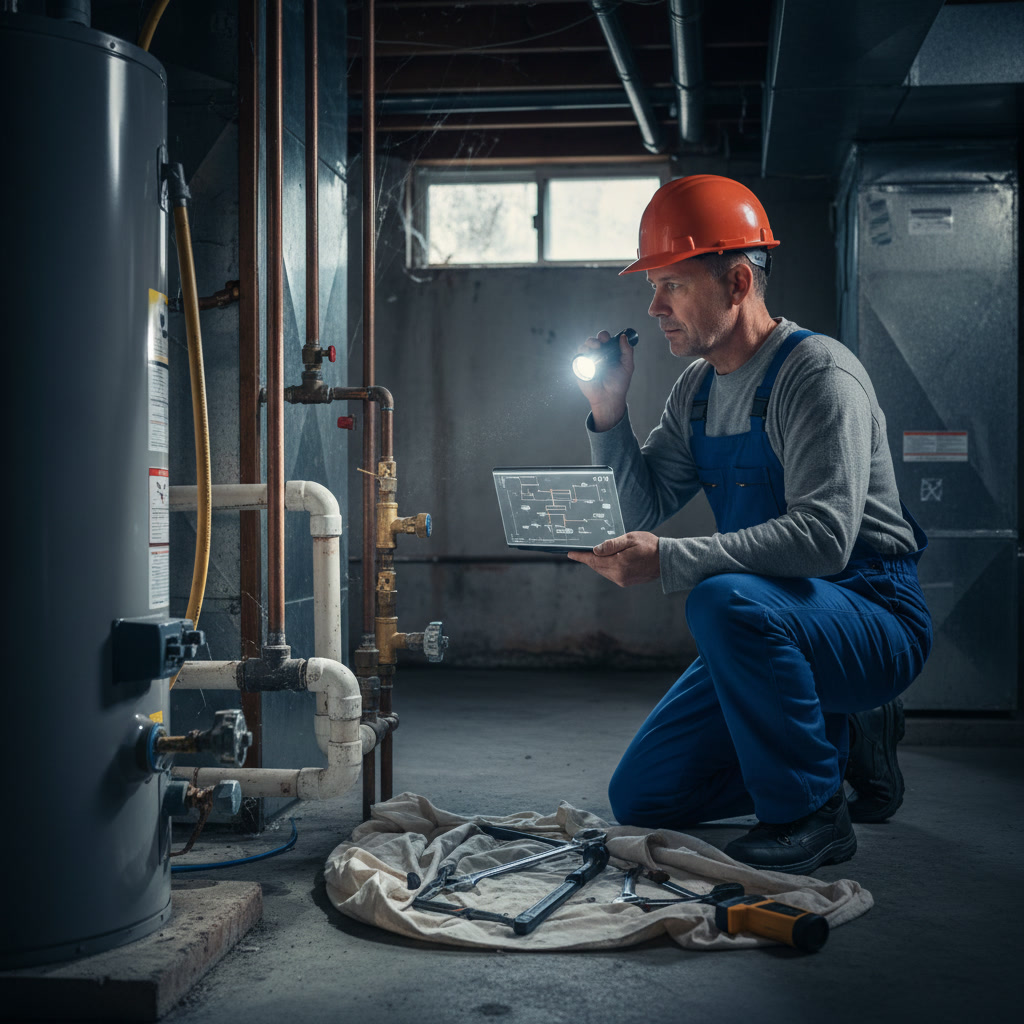
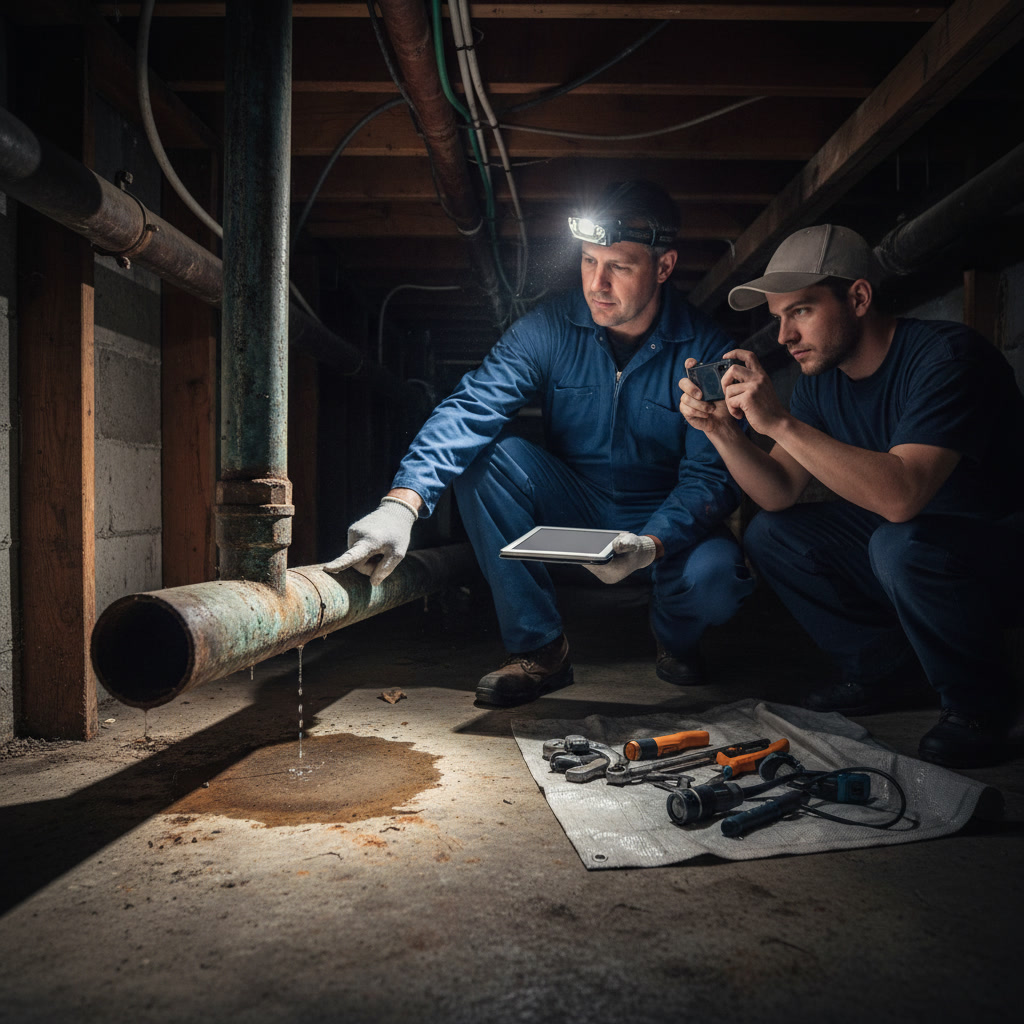
A comprehensive inspection begins with visible fixtures and connections. The plumber tests every faucet, checks under sinks for leaks, examines toilet seals, and inspects exposed pipes in basements and crawl spaces. They look for water stains, corrosion, improper repairs, and code violations that create safety hazards.
The inspection moves to water-using appliances including washing machines, dishwashers, and water heaters. Supply lines get checked for wear, drain connections get tested for proper venting, and shut-off valves get operated to ensure they function. Many homeowners discover during inspections that their main water shut-off valve has corroded closed and would be useless in an emergency.
Underground and concealed plumbing requires specialized equipment. Camera inspections run through drain lines from cleanout access points, recording video that shows the condition of pipes you cannot otherwise see. The plumber reviews this footage with you, pointing out areas of concern and explaining the timeline for recommended repairs.
Preventive Inspections in Lynwood and Surrounding Areas
Homes in Lynwood and the surrounding communities face specific challenges that make regular inspections particularly valuable. Many properties in this area were built during the post-war construction boom using plumbing materials that are now reaching the end of their service life. Cisco Plumbing INC has inspected thousands of local homes and understands the common failure points in regional housing stock.
Clay sewer lines, prevalent in older neighborhoods throughout South Gate and Gardena, crack as soil shifts and tree roots seek moisture. Camera inspections reveal these problems years before complete collapse, allowing you to plan and budget for replacement rather than facing an emergency excavation. Understanding the typical costs involved helps homeowners prepare financially, as detailed in resources about sewer line repair expenses.
Specific Systems That Benefit Most from Regular Checks
Water heaters fail more predictably than most plumbing components, making them ideal candidates for preventive inspection. Traditional tank models last eight to 12 years under normal conditions, but regular maintenance extends that lifespan significantly. Flushing sediment, testing the anode rod, and checking temperature settings during annual inspections can add three to five years of service. Homeowners interested in efficiency upgrades often explore tankless water heater options during these inspection conversations.
Main sewer lines deserve special attention because failure creates the most severe consequences. A camera inspection every three to five years maps the condition of your line and tracks the progression of any problems. Root intrusion starts small but grows exponentially. Catching roots when they first penetrate a joint allows for simple mechanical removal, while waiting until roots fill the entire pipe requires excavation and replacement.
Supply line inspections focus on pressure regulation and leak detection. High water pressure feels great in the shower but destroys fixtures, appliances, and pipe connections. Inspectors measure pressure at the main and recommend regulators when readings exceed 80 psi. They also check for the subtle signs of pinhole leaks in copper pipes, a problem that starts microscopically and expands until pipes spray water inside your walls.
Real-World Example of Inspection Value
Consider a recent case where a routine inspection discovered a small crack in a cast iron sewer line beneath a home’s foundation. The homeowner had noticed no symptoms, and water drained normally. The crack measured less than two inches, and tree roots had just begun to penetrate. The repair cost 1,800 dollars for a targeted excavation and pipe section replacement.
Without that inspection, the roots would have grown unnoticed for another two to three years, completely blocking the line. The homeowner would have experienced sewage backing up into their home, requiring emergency service, complete line replacement, yard restoration, and potentially sewage cleanup inside the house. The total cost would have exceeded 12,000 dollars, plus the disruption and health hazard of sewage in living spaces. The inspection paid for itself more than 60 times over.
Combining Inspections with Preventive Maintenance
Inspections become even more valuable when paired with immediate preventive maintenance. During the visit, plumbers can flush your water heater, clean drain traps, test pressure relief valves, and perform minor adjustments that prevent future problems. This combined approach maximizes the value of the service call and keeps your entire system operating efficiently.
Seasonal inspections align maintenance with your home’s needs. Before winter, inspectors check that pipes in unheated areas have adequate insulation and that outdoor faucets have been properly winterized. Before summer, when water usage spikes, they verify that your system can handle increased demand without stress failures.
Protecting Your Investment Through Regular Professional Reviews
Your home represents your largest financial investment, and the plumbing system protects that value. Water damage from plumbing failures reduces property value, creates health hazards from mold, and makes homes difficult to sell. Regular inspections document that you have maintained your plumbing responsibly, a factor that matters to insurance companies, home inspectors, and potential buyers.
The relatively small cost of periodic inspections provides enormous financial protection. For less than most families spend on monthly streaming services, an annual plumbing review identifies problems while they remain inexpensive to fix. This preventive approach aligns with how you maintain your car, your HVAC system, and your roof, all systems where small problems become catastrophic failures without attention.
Professional inspections also give you planning power. When an inspector identifies a water heater approaching the end of its service life or pipes that will need replacement within five years, you control the timeline. You can research options, get multiple quotes, save money, and schedule the work at your convenience rather than paying emergency rates when the system fails at the worst possible moment.
With over two decades of experience serving local homeowners, Cisco Plumbing INC understands how regular inspections protect your property and your budget. Our thorough inspection process uses the latest camera and diagnostic technology to find problems before they find you, giving you the information you need to make smart maintenance decisions.
Schedule your comprehensive plumbing inspection by calling +14242271819. Our team will evaluate your entire system, explain what we find in clear terms, and provide straightforward recommendations that help you avoid expensive emergency repairs down the road.