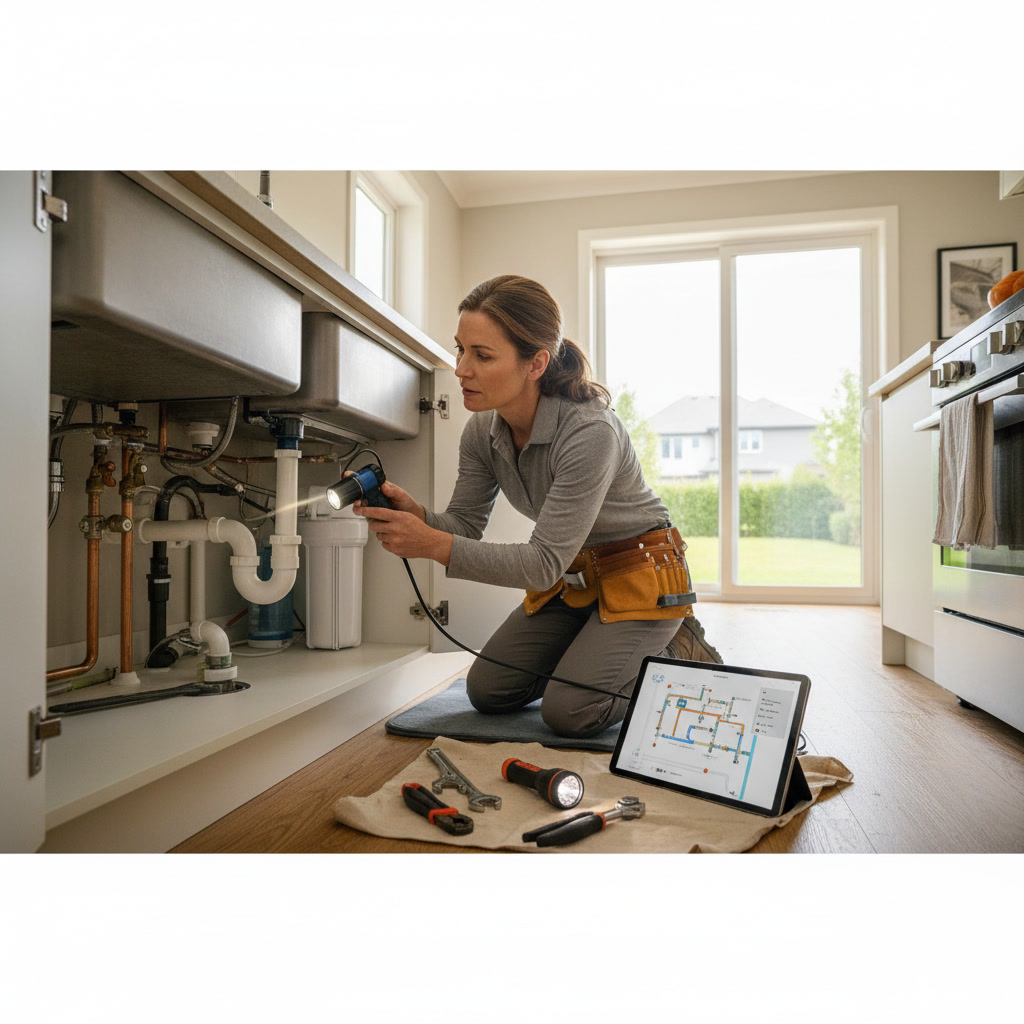
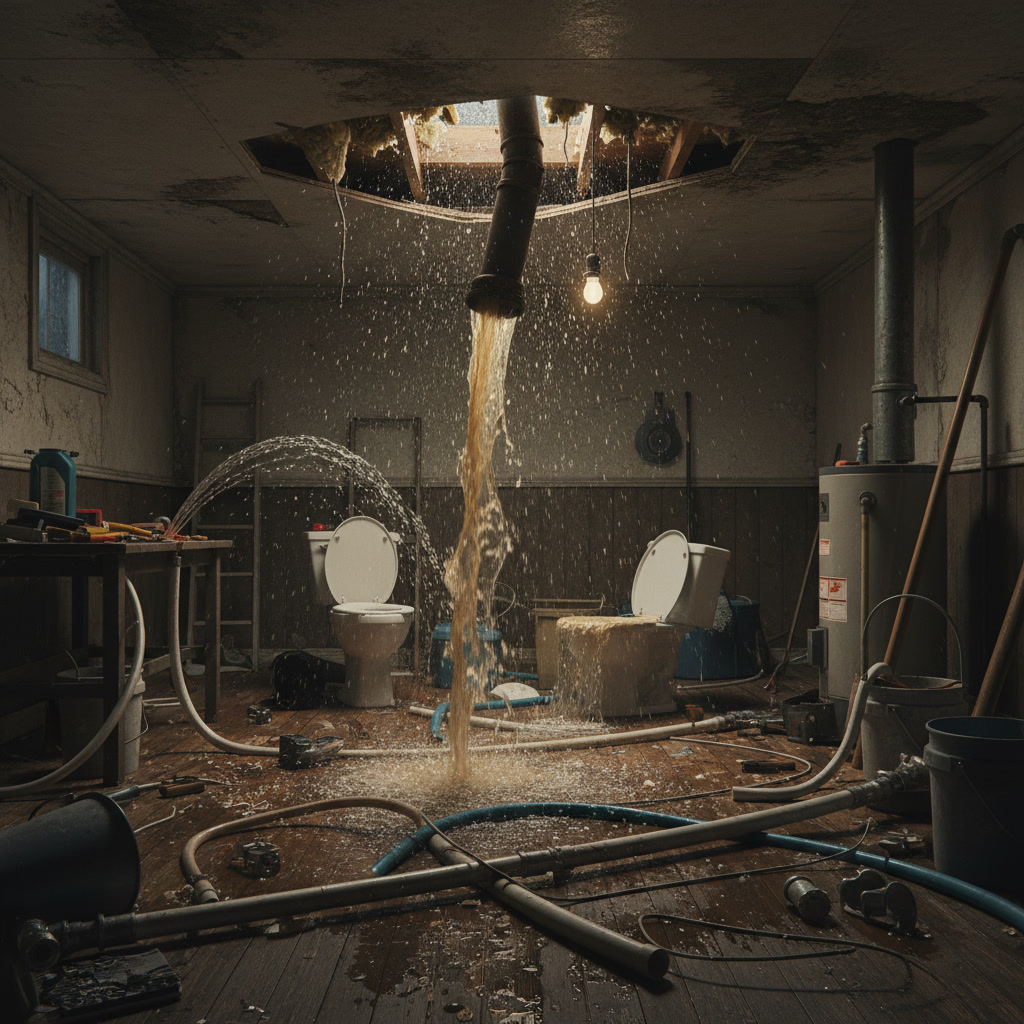
Recognizing home plumbing system problems early can save you thousands of dollars and prevent catastrophic water damage to your property. Most plumbing emergencies don’t happen overnight, they develop gradually through warning signs that homeowners often overlook or dismiss. When you know what to watch for, you can address issues before they turn into costly disasters that require extensive repair work.
Understanding Normal Plumbing Performance
Your plumbing system should operate silently and efficiently most of the time. Water pressure should remain consistent throughout your home, drains should clear quickly without gurgling sounds, and you should never see water where it doesn’t belong. Any deviation from this baseline performance deserves your attention.
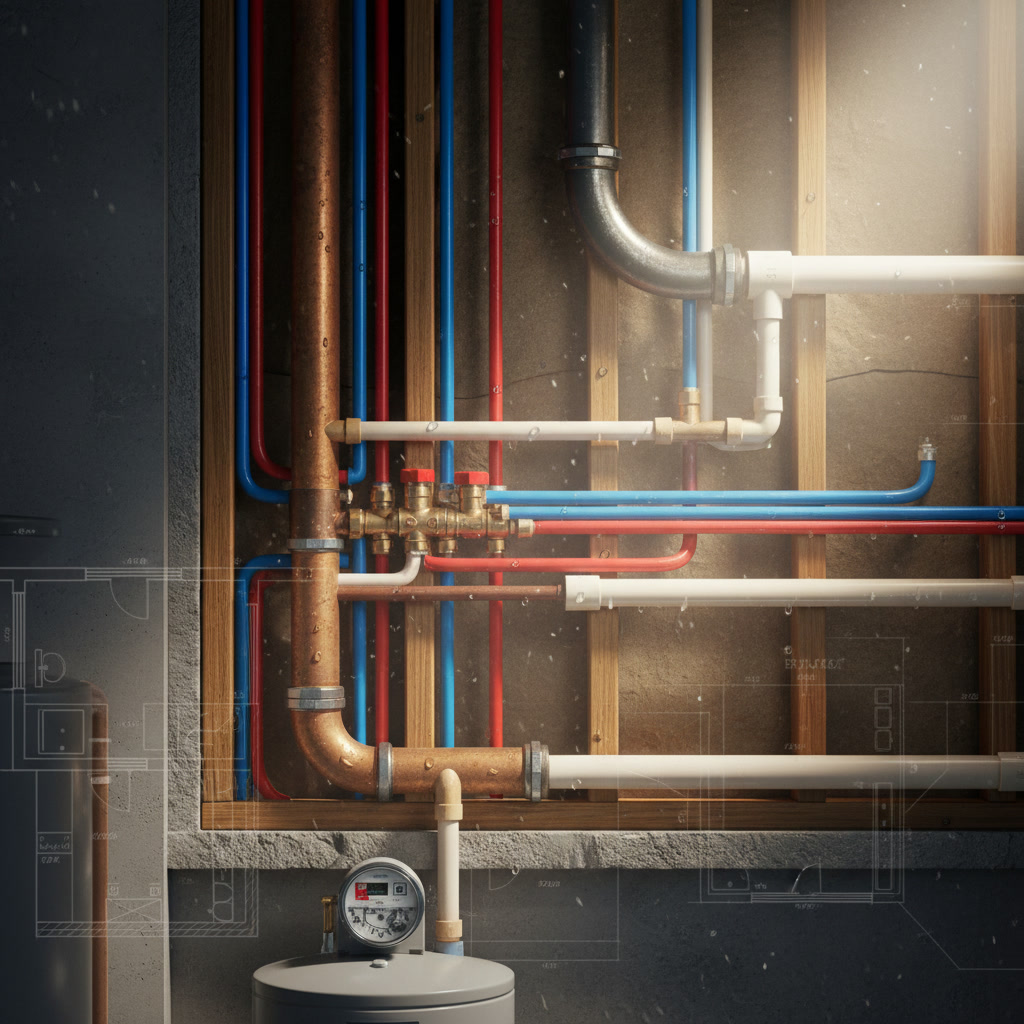
Most homes built in the last 50 years use copper or PEX piping with an expected lifespan of 50 to 70 years, while older properties may still have galvanized steel pipes that typically fail after 40 to 50 years. Knowing your home’s plumbing age helps you anticipate when problems might emerge.
Why Small Issues Escalate Quickly
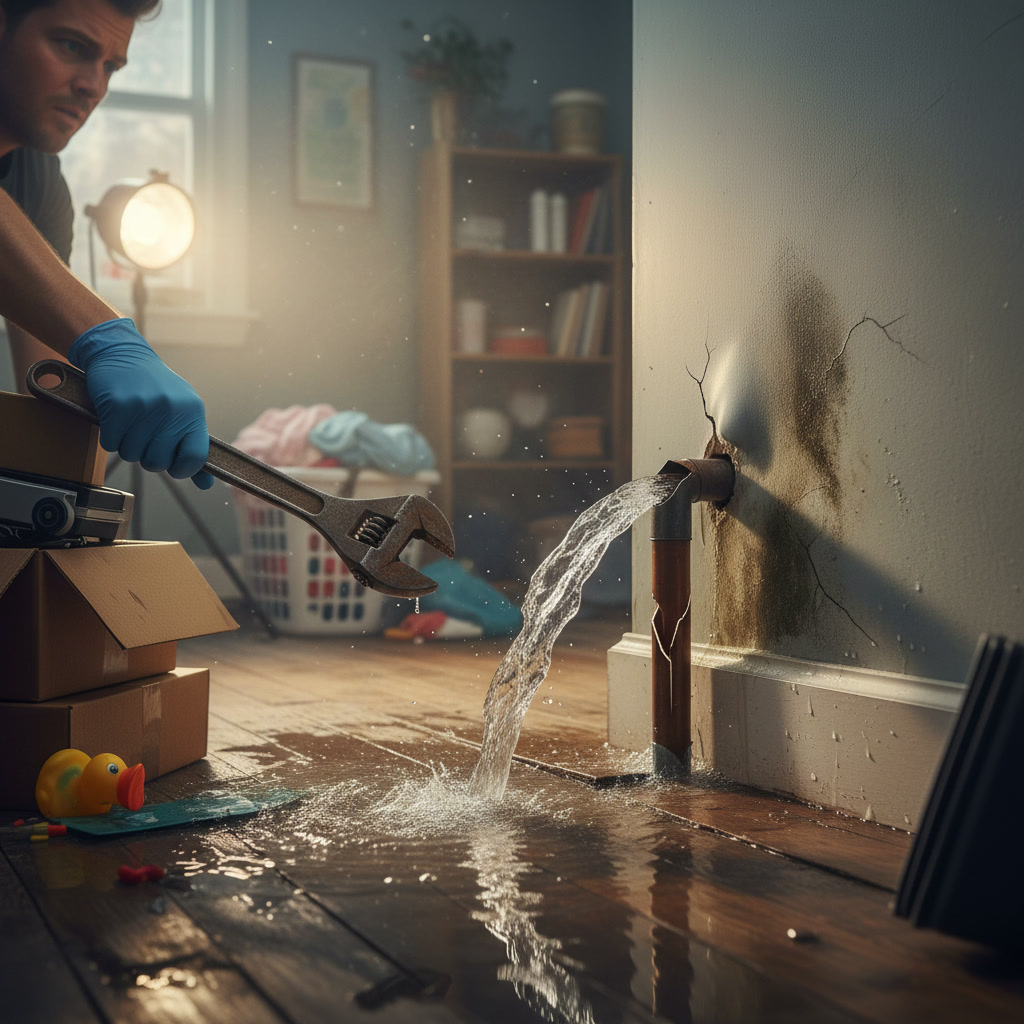
Minor leaks and slow drains rarely stay minor for long. A small pinhole leak that drips three times per minute wastes about one gallon per day, but more importantly, it indicates corrosion or pressure issues that will worsen. The moisture from even tiny leaks creates ideal conditions for mold growth within 24 to 48 hours.
Water damage restoration typically costs between $1,000 and $4,000 for a single incident, while catching and repairing the source leak early might cost only a few hundred dollars. The financial case for immediate attention becomes clear when you consider these numbers.
Water Pressure Changes Signal Deeper Problems
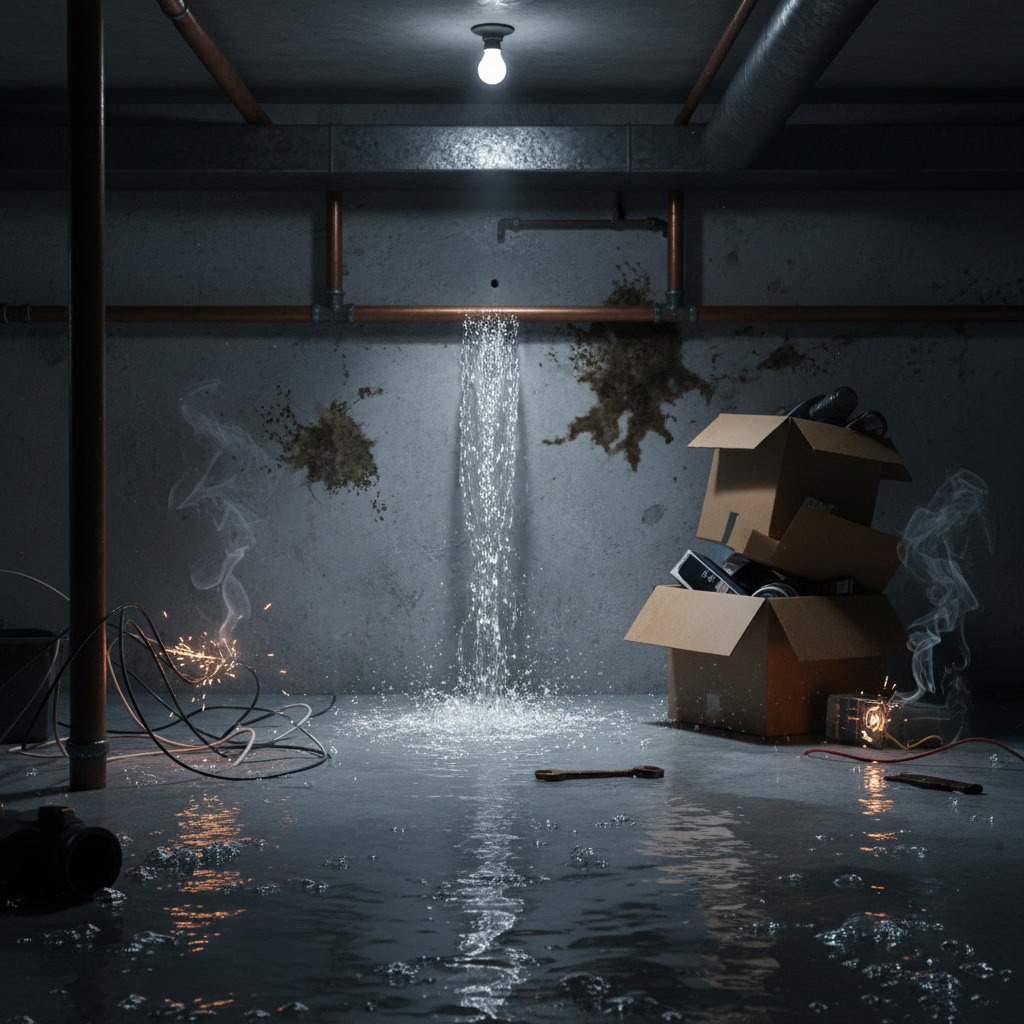
Sudden drops in water pressure throughout your home often indicate a serious issue in your main supply line. If only one fixture loses pressure, the problem is localized, but whole-house pressure drops point to leaks, blockages, or failures in the primary supply system.
Pressure that’s too high causes just as many problems as low pressure. If you notice hammering sounds when you shut off faucets or appliances, your pressure likely exceeds the safe range of 40 to 60 PSI. Excessive pressure puts stress on every joint and connection in your system, dramatically increasing the likelihood of burst pipes and failed water heater tanks.
Discolored Water Indicates Pipe Degradation
Brown or rust-colored water coming from your taps signals corrosion inside your pipes. This happens most commonly with aging galvanized steel pipes, where the protective zinc coating has worn away and the underlying iron is oxidizing. Once corrosion begins, it accelerates rapidly.
If discoloration appears only in hot water, your water heater is likely the culprit. Sediment buildup and internal corrosion can affect heater performance and water quality. Cold water discoloration points to your supply pipes themselves and may require extensive repiping depending on how widespread the corrosion has become.
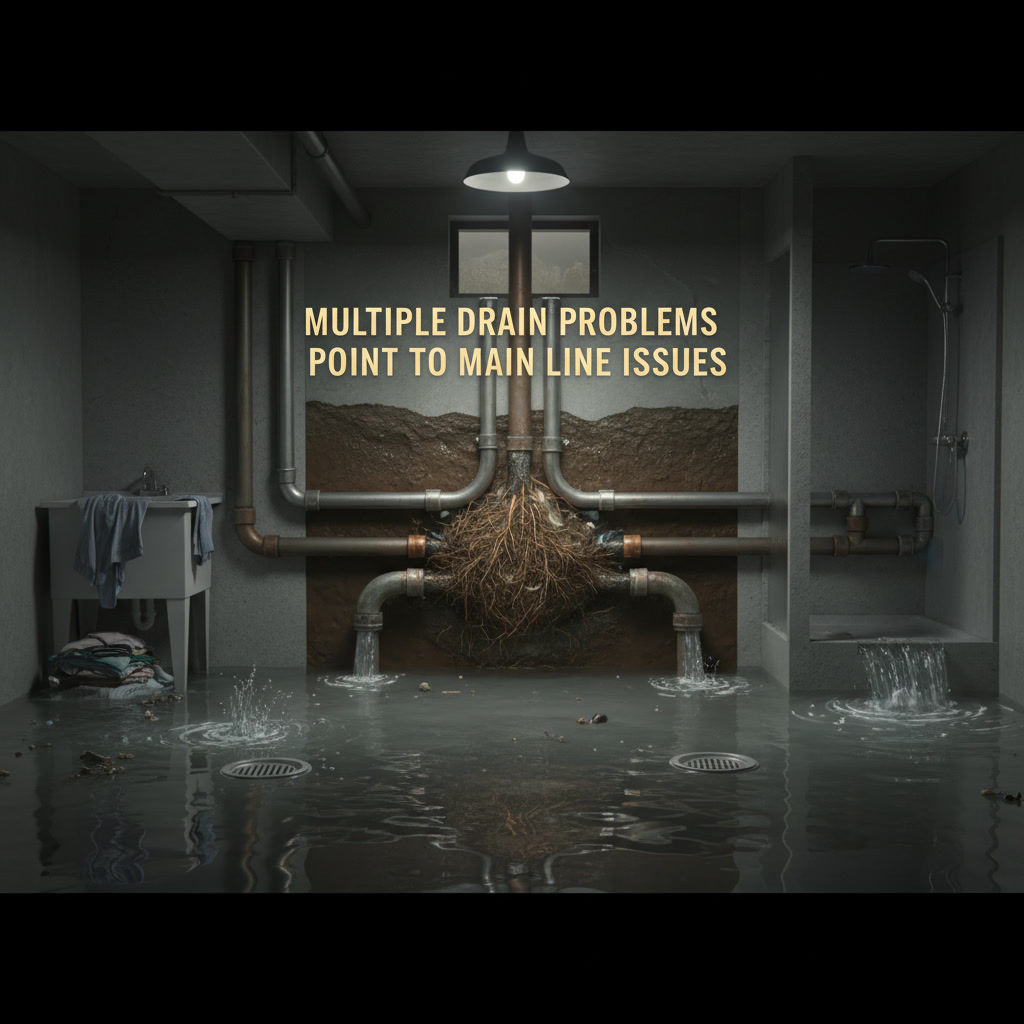
Multiple Drain Problems Point to Main Line Issues
When several drains in your home start backing up simultaneously, you’re dealing with a blockage in your main sewer line rather than individual fixture problems. This is one of the most serious plumbing situations because a complete main line blockage means wastewater has nowhere to go except back into your home.
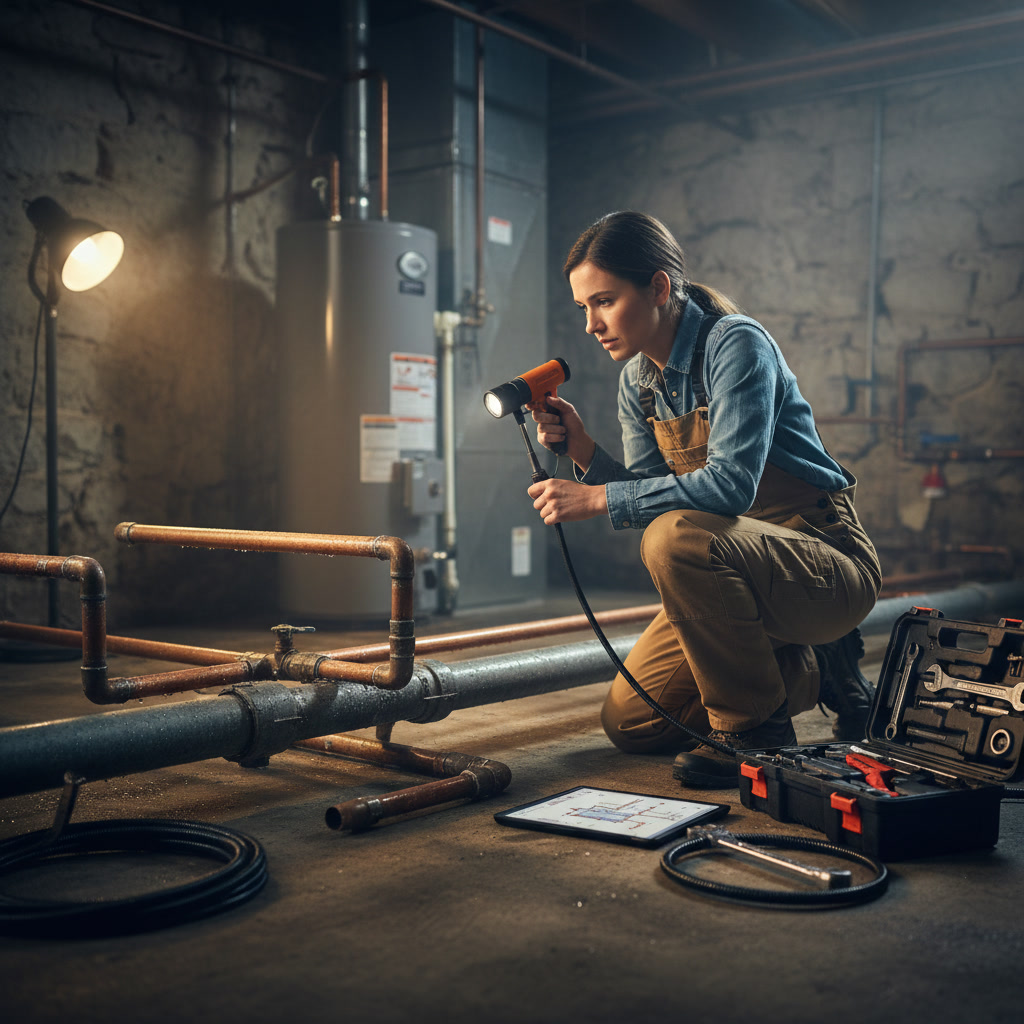
Tree roots are responsible for approximately 50% of all main line blockages in residential properties. Roots seek out the moisture and nutrients in sewer lines and can penetrate even small cracks, then expand to create complete obstructions. Professional drain cleaning with camera inspection can identify root intrusion before it causes a backup emergency.
Understanding the typical costs for sewer line repair helps you budget appropriately when these issues arise, as main line problems require immediate professional intervention.
Strange Sounds Reveal Hidden Plumbing Stress in Lynwood Homes
Your plumbing should operate quietly. Banging, whistling, or gurgling sounds all indicate specific problems that need diagnosis. Banging pipes, called water hammer, occur when water flow stops abruptly and creates a pressure wave that slams through your system. This repeated stress can loosen joints and eventually cause leaks.
Gurgling drains suggest venting problems or partial blockages. Your drain system needs air to flow properly, and when vents become blocked, drains pull air through the trap, creating that distinctive gurgling sound. This can also allow sewer gases into your living space, creating health and safety concerns.
Whistling from faucets or toilets typically indicates worn washers, valve seats, or fill valves. While these sounds might seem minor, the vibration causing the whistle also causes accelerated wear on the affected components.
Six Critical Warning Signs Requiring Immediate Action
Certain symptoms demand same-day professional attention because they indicate problems that will worsen rapidly. Recognizing these critical signs helps you know when to stop troubleshooting and call for help.
- Water pooling around your water heater: This signals a tank failure that could flood your home with 40 to 80 gallons of water when it gives way completely.
- Sewage odor inside your home: Sewer gas contains methane and hydrogen sulfide, both harmful to health, and indicates either a dry trap or a venting failure.
- Visible water damage on walls or ceilings: By the time water damage becomes visible, significant moisture has already accumulated, meaning an active leak needs immediate repair.
- Complete drain stoppage: When a drain won’t clear at all, continued use will cause overflow and potential water damage.
- No hot water with unusual noises from the heater: Rumbling or popping sounds combined with heating failure often mean catastrophic sediment buildup or imminent tank failure.
- Water meter running when all fixtures are off: This confirms an active leak somewhere in your system, wasting water and causing hidden damage.
Properties throughout the region face unique challenges based on soil conditions and building ages. Older neighborhoods may have aging cast iron sewer lines prone to corrosion, while newer developments might experience issues with improperly installed systems.
Foundation Cracks and Settling From Hidden Leaks
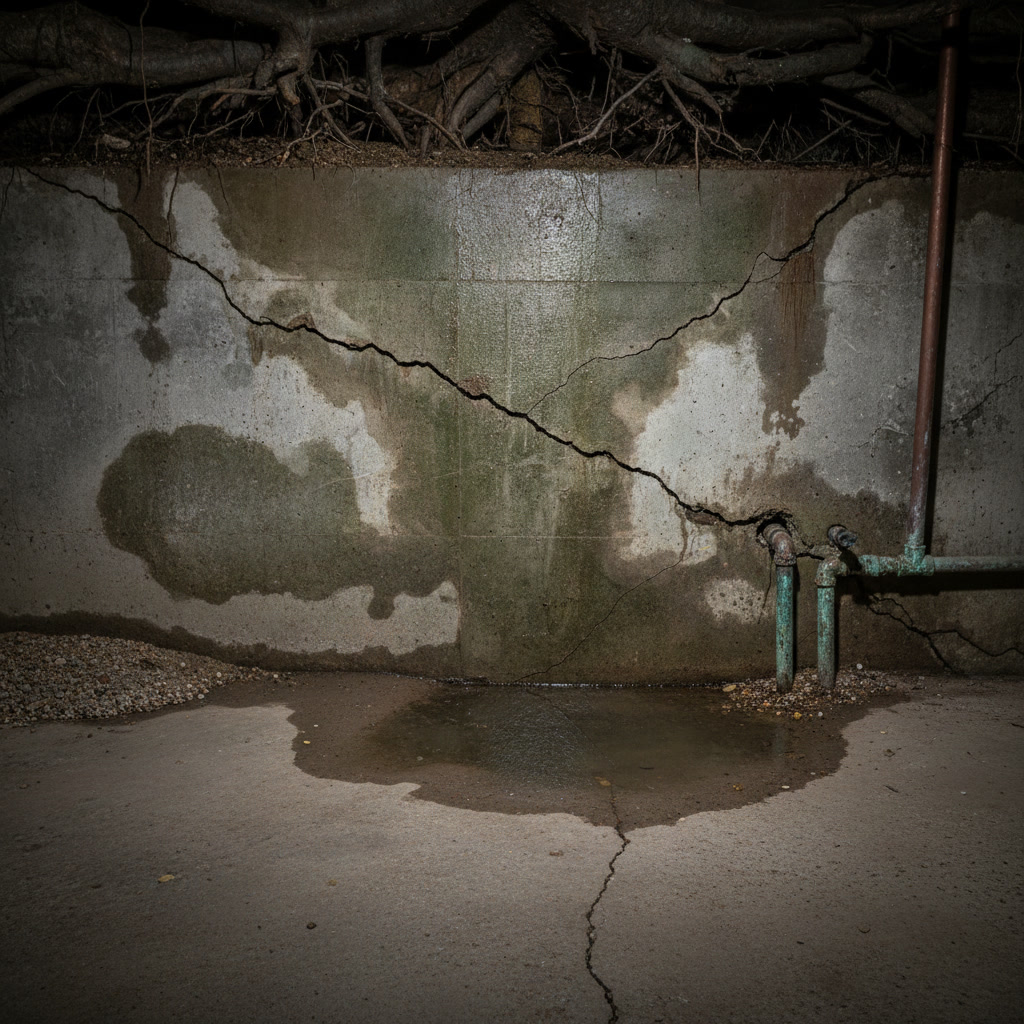
Undetected slab leaks erode soil beneath your foundation, creating voids that allow settling and cracking. You might notice doors that suddenly won’t close properly, new cracks in walls or floors, or sections of flooring that feel warm due to hot water leaking beneath them.
Slab leak detection requires specialized equipment because the pipes run through or beneath your concrete foundation. If you notice unexplained increases in your water bill combined with any foundation symptoms, immediate professional plumbing services are essential.
The average slab leak wastes approximately 6,000 gallons of water before detection, and the longer it runs, the more extensive the foundation damage becomes. Early detection saves both water and structural repair costs.
Fixture Problems That Indicate Larger System Issues
Sometimes what appears to be a simple fixture problem actually signals a broader plumbing issue. A single leaking faucet is usually just a worn washer, but when multiple faucets develop leaks simultaneously, you might have a pressure problem or water quality issue causing accelerated wear.
Toilets that run constantly waste up to 200 gallons per day and usually indicate a failed flapper valve, but if the problem recurs quickly after repair, sediment in your water supply may be preventing proper sealing. Professional faucet repair specialists can identify whether fixture issues stem from the component itself or underlying system problems.
Bathtubs that drain slowly might have hair clogs, but when you’ve cleared the visible obstruction and drainage remains poor, the issue could be in your branch drain lines or venting system. Reading about emergency sewer line symptoms can help you distinguish between simple clogs and serious drainage failures.
Water Heater Warning Signs Beyond Temperature
Your water heater should maintain consistent temperature and operate quietly. Fluctuating water temperature, especially sudden blasts of cold water during showers, suggests sediment buildup on heating elements or a failing thermostat.
Rust-colored hot water or metallic tastes indicate internal tank corrosion. Once the protective glass lining inside a traditional tank fails, the steel tank itself begins corroding, and replacement becomes necessary within months. Popping or rumbling sounds come from sediment deposits on the tank bottom that get superheated and explode, creating stress that shortens tank life.
Water pooling at the base or moisture on the tank exterior signals active leaking that will only worsen. Tank failures typically happen suddenly once corrosion reaches the breaking point, releasing the full tank capacity into your home.
Taking Action Before Emergencies Strike
The plumbing warning signs discussed throughout this guide give you the knowledge to catch problems early. Regular visual inspections of exposed pipes, attention to changes in water pressure or quality, and quick response to unusual sounds or smells can prevent most plumbing emergencies.
Documentation helps track patterns. If you notice a small issue, photograph it and note the date. If it worsens or you see related symptoms, you have a timeline that helps professionals diagnose the root cause more quickly.
Understanding these warning signs protects your property value and your family’s safety. Water damage ranks among the most expensive home repairs, and the health risks from mold or sewer gas exposure are serious. When you spot any of the critical symptoms described here, professional evaluation provides peace of mind and prevents small problems from becoming catastrophic failures.
Cisco Plumbing INC has served homeowners throughout the area for over 20 years, helping property owners identify and resolve plumbing issues before they escalate into emergencies. If you’ve noticed any of the warning signs discussed in this guide, don’t wait for the problem to worsen. Contact our experienced team at +14242271819 to schedule a thorough inspection and get expert recommendations for keeping your plumbing system in optimal condition.